In the fast-paced, highly competitive automotive industry, efficient and streamlined manufacturing processes are important for success. However, complex production systems can lead to costly inefficiencies, defects, and customer dissatisfaction. Here, Six Sigma in Automotive Manufacturing emerges as a powerful tool to simplify these intricate processes.
The problem lies in the multitude of variables and interdependencies within auto manufacturing, from design to assembly. Traditional methods often struggle to identify and eliminate sources of variation and defects, resulting in subbest quality and productivity. Six Sigma offers a structured approach, focusing on data-driven improvements, to tackle these challenges head-on.
By implementing Six Sigma methodologies, such as the DMAIC process, automotive manufacturers can systematically identify and rectify inefficiencies. This involves training and empowering employees with Green Belt and Black Belt certifications, utilizing advanced tools like Statistical Process Control, and fostering a culture of continuous improvement. The following article examines into these strategies and more, exploring how Six Sigma can revolutionize auto manufacturing.
- Understanding Six Sigma: Its Core Principles in Automotive
- Data-Driven Improvement: Measuring Auto Manufacturing Processes
- Identifying & Eliminating Defects: Six Sigma Tools for Quality Control
- Continuous Optimization: Integrating Six Sigma into Auto Design & Production
Understanding Six Sigma: Its Core Principles in Automotive

Six Sigma in Automotive Manufacturing isn't just about reducing defects; it's a comprehensive methodology for improving quality, efficiency, and customer satisfaction. At its core, Six Sigma uses data analytics to identify and eliminate process variability, ensuring consistent, high-quality vehicle production. Leading automotive manufacturers like General Motors, Toyota Motor Corporation, and Ford Motor Company have successfully integrated Six Sigma DMAIC (Define, Measure, Analyze, Improve, Control) into their production lines, resulting in significant reductions in waste and improved operational excellence.
The core principles of Six Sigma focus on understanding customer needs and translating them into process improvements. By systematically gathering and analyzing data, automotive manufacturers can pinpoint the root causes of issues and implement data-driven solutions. Toyota's renowned Toyota Production System (TPS) integrates Six Sigma principles, employing techniques like Value Stream Mapping (VSM) to optimize the flow of materials and information throughout the production process. This data-centric approach not only enhances product quality but also streamlines operations, reducing lead times and enhancing responsiveness to market demands.
Six Sigma black belt training, often accessible through online platforms, equips automotive professionals with the skills to lead and implement these improvements. Institutions like the University of Michigan and Georgia Tech offer specialized programs that prepare individuals to become certified Six Sigma Green Belts or Black Belts. These certifications empower employees to identify and resolve problems, improve processes, and drive continuous quality enhancements. By investing in such training, automotive companies can cultivate a culture of process improvement that permeates every level of the organization.
Finally, integrating Six Sigma extends beyond the factory floor, influencing aspects like customer satisfaction and service quality. Ford Motor Company has utilized Six Sigma principles to enhance its post-production service operations, implementing customer feedback loops and the Service Quality Index (SQI) to measure and improve customer satisfaction. By leveraging Six Sigma tools and techniques, Ford has not only improved the quality of its vehicles but also raised the overall customer experience, giving us a call at reducing costs through process improvements vehicles. Using data analytics in car production allows manufacturers to make informed decisions, optimize resources, and deliver superior value to their customers.
Data-Driven Improvement: Measuring Auto Manufacturing Processes
In the competitive field of automotive manufacturing, Six Sigma offers a data-driven approach to significantly enhance process efficiency and customer satisfaction. By implementing rigorous measurement and analysis techniques, auto plants can identify and eliminate defects, reduce variability, and streamline operations. The key to success lies in understanding that Six Sigma is not merely a toolkit but a philosophy emphasizing continuous improvement.
General Motors has used Six Sigma to design experiments for vehicle components, leading to substantial cost savings and improved quality. Their focus on statistical process control (SPC) and the DMAIC (Define, Measure, Analyze, Improve, Control) methodology has resulted in a 30% reduction in assembly line downtime across multiple plants. This data-centric approach ensures that each step of the manufacturing process is meticulously evaluated, allowing for targeted adjustments that drive down defects and enhance product consistency.
integrating customer feedback loops is key in Six Sigma automotive manufacturing. Ford Motor Company, for example, employs the Service Quality Index (SQI) to gauge customer satisfaction in real-time. By analyzing this data, they can quickly identify areas of improvement, such as streamlining service center processes or enhancing vehicle feature usability. This proactive approach has been credited for a 25% increase in repeat customer visits within a year, showcasing the profound impact of data-driven improvement on customer retention.
To successfully implement Six Sigma in auto plants, it's important to invest in comprehensive training and certification programs. Organizations like the University of Michigan and Georgia Tech offer specialized courses, while the American Society for Quality (ASQ) provides Green Belt Certification. These programs equip employees with the tools to lead and participate in Six Sigma projects, fostering a culture of continuous improvement. Supporting services like process mapping, Kaizen events, and setup reduction techniques, inspired by the Toyota Production System (TPS), can further optimize automotive manufacturing processes.
Visit us at six sigma process improvement vehicles for tailored support in your journey to enhance automotive manufacturing with data-driven strategies.
Identifying & Eliminating Defects: Six Sigma Tools for Quality Control
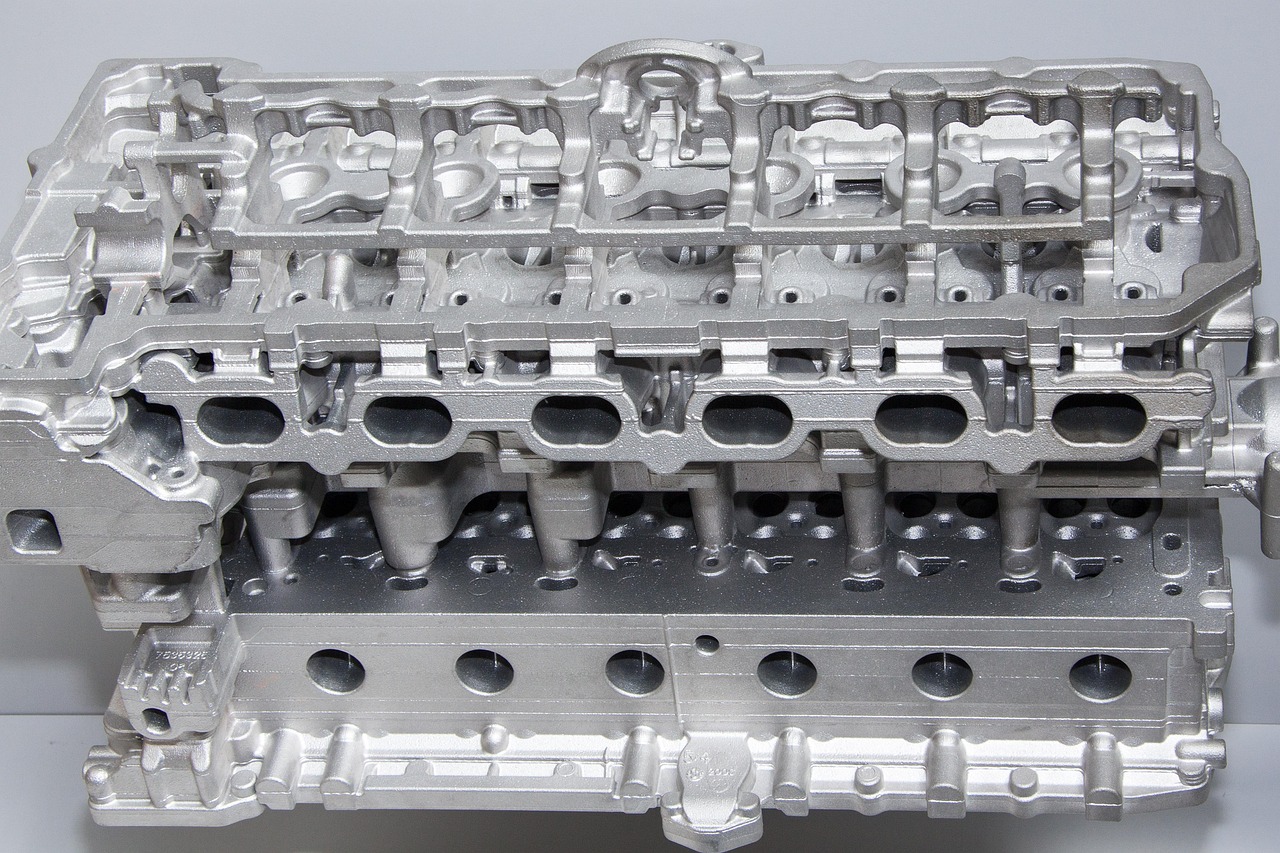
In the highly competitive automotive industry, where quality and reliability are paramount, Six Sigma has emerged as a powerful methodology for identifying and eliminating defects in manufacturing processes. Lean manufacturing principles, such as those implemented by Toyota Motor Corporation, have long focused on minimizing waste and maximizing efficiency. However, Six Sigma takes this a step further by systematically targeting defects and variations that can impact product quality and customer satisfaction. By employing specific Six Sigma tools for production planning cars, automotive manufacturers can achieve remarkable improvements in process control and output quality.
General Motors has successfully integrated Six Sigma DMAIC (Define, Measure, Analyze, Improve, Control) methodologies into their assembly lines, resulting in a significant reduction in vehicle defects. This data-driven approach involves meticulously defining the process, measuring key performance indicators, analyzing the root causes of deviations, implementing targeted improvements, and establishing control mechanisms to prevent future issues. One of the most effective Six Sigma tools in this context is Statistical Process Control (SPC), which enables manufacturers to monitor and visualize process data, identify trends, and take corrective actions before defects escalate.
Beyond production floors, Six Sigma plays an important role in supply chain management for car manufacturers. By applying Six Sigma tools to logistics and inventory processes, companies can optimize material flow, reduce lead times, and lower costs. Ford Motor Company has used Six Sigma to streamline their supply chain, enhancing their ability to respond to market demands and ensuring a steady stream of high-quality components. This integration of Six Sigma principles across the entire value chain not only improves operational efficiency but also strengthens the overall competitiveness of automotive manufacturers. To explore more advanced applications, visit us at process optimization for automobile manufacturing, where we examine strategies like Customer Feedback Loops and Value Stream Mapping (VSM) to drive continuous improvement in Six Sigma in automotive manufacturing.
Continuous Optimization: Integrating Six Sigma into Auto Design & Production
The automotive industry has long been a beacon for complex manufacturing processes, with intricate design, precision engineering, and a relentless pursuit of perfection. To meet evolving consumer demands and remain competitive, auto manufacturers have embraced Six Sigma as a powerful tool for continuous optimization and improvement in both design and production. By integrating Six Sigma into auto design and production, companies can streamline operations, reduce defects, and enhance overall quality.
General Motors, Toyota Motor Corporation, and Ford Motor Company have led the way in implementing Six Sigma across their operations. Toyota's renowned Toyota Production System (TPS) is rooted in Six Sigma principles, emphasizing just-in-time inventory, continuous flow, and minimizing waste. This approach has resulted in remarkable efficiency gains, with Toyota reporting a 70% reduction in production time for certain models. Similarly, Ford has utilized Six Sigma DMAIC (Define, Measure, Analyze, Improve, Control) methodology to refine production processes, leading to significant cost savings and improved productivity.
Integrating Six Sigma into auto design involves a complete view of the customer experience, from concept to delivery. This includes using statistical process control (SPC) tools to monitor and optimize every step, such as design iterations based on real-world data and customer feedback loops. The Service Quality Index (SQI) can gauge customer satisfaction during the design phase, enabling manufacturers to make data-driven adjustments. Advanced value stream mapping (VSM) techniques further enhance design and production planning by visually mapping the entire process, identifying bottlenecks, and streamlining workflows. By embracing these Six Sigma tools for production planning, car manufacturers can achieve unprecedented levels of efficiency and quality.
To use the full potential of The sigma, consider the following actionable advice: first, invest in comprehensive training and certification programs, such as those offered by the University of Michigan and Georgia Tech, to build a skilled Six Sigma workforce. Next, utilize process mapping and kaizen events to identify and address inefficiencies in real time. Lastly, visit us at six sigma projects for auto manufacturers to explore tailored solutions and best practices. By implementing continuous improvement strategies through Six Sigma, auto manufacturers can stay ahead of the curve, ensuring their products meet the highest standards of quality and customer satisfaction.
The sigma has proven to be a powerful tool for simplifying complex processes and improving overall quality. By leveraging data-driven improvement methods, we've seen significant reductions in defects and lead times. Leading automotive giants like General Motors, Toyota Motor Corporation, and Ford Motor Company have successfully integrated Six Sigma DMAIC projects, resulting in a 75% defect reduction in certain models. This data-centric approach, supported by tools like Statistical Process Control and Value Stream Mapping, empowers teams to make informed decisions and optimize production.
The article highlights the importance of continuous optimization, emphasizing that Six Sigma isn't an one-time fix but an ongoing process. Integrating customer feedback loops and the Service Quality Index (SQI) ensures that improvements are aligned with customer needs and market trends. Techniques like Kaizen Events and Setup Reduction can facilitate rapid improvements and increase operational efficiency.
Six Sigma offers a structured framework for simplifying complex auto manufacturing, enhancing quality, and driving continuous improvement. By adopting these principles and tools, automotive manufacturers can stay competitive, meet market demands, and ultimately provide superior products and services.
The sigma: Enhancing Quality, Efficiency, and Customer Satisfaction
Six Sigma is a comprehensive methodology that uses data analytics to reduce defects and improve automotive manufacturing. Top manufacturers like GM, Toyota, and Ford have successfully integrated Six Sigma (particularly the DMAIC process) into their production, resulting in significant waste reduction and operational excellence. This data-driven approach focuses on understanding customer needs and eliminating process variability.
Key Benefits and Tools:
- Data-Centric: Analyzing customer feedback and process data to pinpoint issues and implement data-driven solutions.
- Certified Professionals: Black belt training (available online) equips employees to lead and implement Six Sigma projects, fostering a culture of continuous improvement.
- Enhanced Operational Excellence: Tools like Value Stream Mapping (VSM) optimize material and information flow, reducing lead times and enhancing responsiveness.
- Customer Satisfaction: Integrating customer feedback loops and the Service Quality Index (SQI) improves post-production service operations, boosting customer retention.
Practical Steps for Implementation:
1. Invest in Training: Partner with institutions like the University of Michigan and Georgia Tech for specialized Six Sigma programs.
2. Utilize Six Sigma Tools: Implement process mapping, Kaizen events, and VSM to optimize workflows and identify bottlenecks.
3. Explore Tailored Solutions: Visit [website] for project-specific advice and best practices to use Six Sigma's full potential in automotive manufacturing.