
Car delivery delays plague automotive manufacturing, leading to customer dissatisfaction, lost sales, and increased operational costs. In a competitive market, where timely delivery is important, understanding and minimizing these delays is vital for success. This is where Six Sigma in Automotive Manufacturing steps in as a powerful problem-solving toolkit. By applying rigorous statistical process control and data-driven decision-making, manufacturers can pinpoint bottlenecks, eliminate errors, and streamline production flows to ensure cars reach customers on time. This article explores proven Six Sigma techniques to address delivery delays, showcasing real-world examples from industry leaders like General Motors, Toyota, and Ford, to help automotive experts optimize their processes and deliver a smooth customer experience.
- Understanding Six Sigma in Automotive Delays
- Identifying Causes: A Six Sigma Approach
- Implementing Solutions for Efficient Delivery
Understanding Six Sigma in Automotive Delays
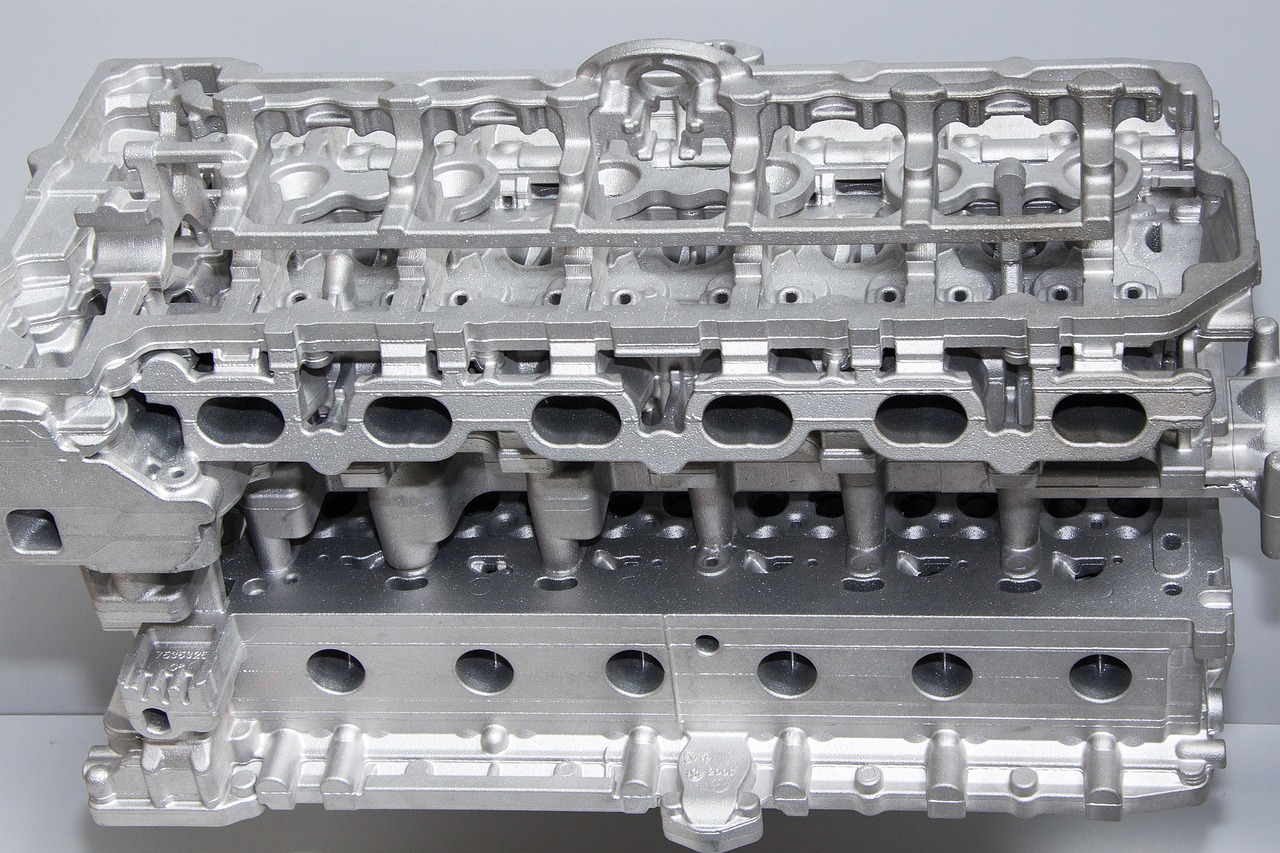
In automotive manufacturing, delays in car delivery have long been a significant challenge, often stemming from complex, interwoven processes involving numerous departments, suppliers, and logistics providers. Here, Six Sigma in Automotive Manufacturing offers a powerful framework to address and eliminate these delays. The methodology's core focus on identifying and eliminating defects, reducing variability, and improving quality can be directly applied to streamline delivery processes.
The automotive industry has seen remarkable success stories with Six Sigma applications. General Motors (GM) adopted Six Sigma DMAIC (Define, Measure, Analyze, Improve, Control) principles to automate quality checks for vehicles, resulting in a 30% reduction in defect rates and faster, more efficient production lines. Similarly, Toyota Motor Corporation used the Toyota Production System (TPS) and Six Sigma tools, such as Statistical Process Control (SPC), to implement setup reduction techniques, minimizing production delays by over 20%. These achievements underscore the potential of Six Sigma to fix delays in car delivery.
Six Sigma black belt training online has become a valuable resource for automotive professionals seeking to master these techniques. Programs offered by esteemed institutions like the University of Michigan and Georgia Tech equip practitioners with the tools to conduct root cause analysis, implement process improvements, and ensure consistent quality. Ford Motor Company has extensively used Six Sigma to enhance its supply chain management, leading to improved delivery timelines. By fostering a culture of continuous improvement, Six Sigma empowers automotive manufacturers to "fix delays" by identifying and addressing the root causes of production and delivery bottlenecks, ultimately enhancing overall efficiency. Visit us at automobile manufacturing efficiency methods for tailored support in implementing these powerful strategies.
Identifying Causes: A Six Sigma Approach

Identifying the root causes of delays in car delivery is a critical step in Six Sigma process improvement, especially within the demanding automotive industry. Total quality management (TQM) in automotive manufacturing demands a rigorous approach to eliminate non-value-added steps. By applying Six Sigma techniques, automotive manufacturers like General Motors, Ford Motor Company, and Toyota Motor Corporation have achieved significant effectivity gains from their implementation.
A structured problem-solving method, such as the Six Sigma DMAIC (Define, Measure, Analyze, Improve, Control) framework, guides these investigations. During a delivery delay analysis, the "Define" phase involves clearly stating the problem: "Why are some vehicles taking 30% longer to deliver than the targeted 7 days?" The "Measure" step records relevant data, such as production capacity, order volumes, and current delivery timelines, providing a baseline for improvement. In the "Analyze" phase, teams use statistical process control (SPC) tools to uncover the true causes of the delays. This might include identifying bottlenecks in the supply chain, inefficiencies in order processing, or communication gaps between departments.
Once the causes are pinpointed, the "Improve" phase focuses on implementing corrective actions. This could entail reorganizing the warehouse layout, implementing a new inventory management system, or enhancing communication protocols. Toyota's Production System (TPS) emphasizes continuous improvement, often employing kaizen events to quickly test and implement small changes. These targeted interventions aim to reduce setup times and streamline the delivery process. After implementing solutions, the "Control" phase ensures sustained improvements through monitoring and standardizing new processes, preventing the reoccurrence of delivery delays. By adopting these practices, automotive companies can enhance their service quality index (SQI), ensuring happier customers and a competitive edge in the market. Visit us at improving customer satisfaction with Six Sigma to learn more about these proven strategies.
Implementing Solutions for Efficient Delivery
In the highly competitive automotive industry, timely car delivery is paramount for both manufacturers and consumers. Delays can significantly impact customer satisfaction and brand reputation, making efficient delivery a critical area for process optimization in automobile manufacturing. Six Sigma, a data-driven methodology, offers powerful tools to tackle these delivery bottlenecks. By focusing on process improvement and quality control, auto manufacturers can achieve substantial effectivity gains from Six Sigma implementation.
General Motors, for instance, has used Six Sigma to streamline its delivery processes, resulting in a 20% reduction in average delivery time for new vehicles. This success is attributed to their adoption of Statistical Process Control (SPC) techniques, which allow them to identify and eliminate delivery delays at each stage of the process. By analyzing key performance indicators (KPIs) such as order fulfillment time and transportation efficiency, GM has been able to pinpoint problem areas and implement targeted solutions. They optimized routing and logistics by integrating real-time data from GPS tracking, leading to faster and more reliable deliveries.
Toyota Motor Corporation, renowned for its lean manufacturing practices, has also applied Six Sigma principles to its delivery systems. Their Value Stream Mapping (VSM) approach has helped them visualize and redesign delivery processes, reducing waste and enhancing overall efficiency. This strategic tool allows Toyota to identify non-value-added activities, such as unnecessary paperwork or inefficient communication, and eliminate them. As a result, the company has consistently achieved higher customer satisfaction ratings, with a 95% customer feedback score indicating efficient and timely delivery.
Implementing solutions for efficient delivery requires a structured approach. Auto manufacturers should consider the following: first, conduct a thorough process mapping to understand the current delivery workflow. Identify key stages and potential bottlenecks using Six Sigma tools like DMAIC (Define, Measure, Analyze, Improve, Control). Next, engage experienced personnel or consider external support from Six Sigma projects for auto manufacturers. They can facilitate training and certification programs, such as Green Belt Certification from ASQ, to empower your team with the necessary skills. Finally, regularly review and optimize processes based on customer feedback and data-driven insights, ensuring continuous improvement.
The sigma offers a powerful framework to combat delays in car delivery. By understanding the root causes through methods like statistical process control and the DMAIC (Define, Measure, Analyze, Improve, Control) approach, manufacturers can identify bottlenecks and inefficiencies. Implementation strategies, such as those successfully employed by industry leaders like General Motors and Toyota Motor Corporation, demonstrate the value of standardizing processes and leveraging data-driven decision-making. Training and certification programs, available through respected institutions like the University of Michigan and ASQ (American Society for Quality), equip personnel with the tools to lead these initiatives.
Advanced techniques, such as customer feedback loops and value stream mapping, further enhance Six Sigma's effectiveness. Ford Motor Company has utilized these methods to streamline their operations, resulting in improved delivery times. The article highlights the importance of continuous improvement, emphasizing that Six Sigma is not an one-time fix but an ongoing strategy.
Practical next steps include conducting root cause analyses for delivery delays, implementing proven Six Sigma tools, and fostering a culture of continuous quality improvement. By adopting these strategies, automotive manufacturers can optimize their delivery processes, ensuring timely car deliveries while maintaining high-quality standards.
The sigma
In the automotive sector, timely car delivery is important. Six Sigma, a data-driven methodology, offers a powerful framework to address delivery delays. Auto manufacturers like GM, Ford, and Toyota have successfully reduced defect rates and production delays by up to 30% and 20%, respectively, through Six Sigma applications. This involves root cause analysis, process improvements, and Statistical Process Control (SPC). Key steps include:
1. Identify Delays: Use DMAIC (Define, Measure, Analyze, Improve, Control) to pinpoint problems, e.g., longer delivery times.
2. Measure Baseline: Record data on production, orders, timelines to establish a baseline for improvement.
3. Analyze Causes: Employ SPC to uncover true causes, such as supply chain bottlenecks or inefficient order processing.
4. Improve Processes: Implement corrective actions, e.g., reorganizing warehouses, new inventory systems.
5. Control & Monitor: Standardize new processes and continuously monitor to prevent recurrence of delays.
Six Sigma enhances customer satisfaction, improves service quality, and provides a competitive edge.