The automotive industry's relentless pursuit of efficiency and quality has made improving overall equipment effectiveness (OEE) a top priority, especially with the rise of lean manufacturing practices. In this competitive field, Six Sigma in Automotive Manufacturing has emerged as a powerful tool to optimize production processes and drive significant gains. The problem lies in the complex, interlinked nature of automotive plants, where equipment downtime, production losses, and quality issues can cripple output and profitability. Six Sigma offers a structured, data-driven approach to address these challenges. By focusing on reducing variability, eliminating defects, and minimizing waste, this methodology can lead to substantial OEE improvements. In this article, we examine proven strategies, best practices, and advanced tools to enhance equipment reliability and productivity in the automotive sector.
- Understanding OEE: The Key Performance Indicator
- Six Sigma Basics: Defining and Measuring Quality
- Data Collection: The Foundation of Six Sigma Projects
- Identifying Bottlenecks: Root Cause Analysis in Automotive Plants
- Implementing Lean Practices: Streamlining Production with Six Sigma
- Continuous Improvement: Sustaining OEE Enhancement in Manufacturing
Understanding OEE: The Key Performance Indicator
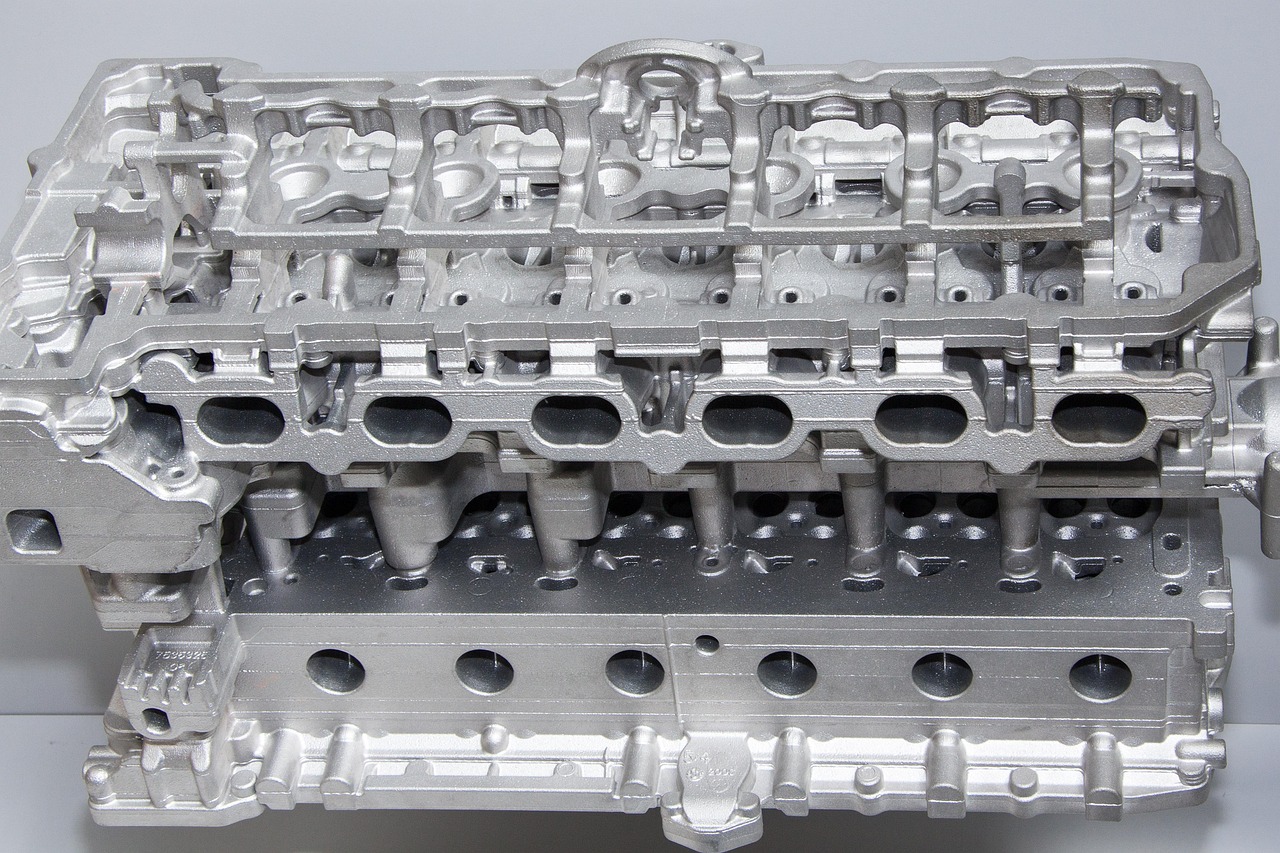
Overall Equipment Effectiveness (OEE) is a critical metric for auto plants, offering a complete view of production efficiency. It's not just about the number of cars produced; it's about the quality and speed of production. A well-implemented Six Sigma strategy can significantly enhance OEE by identifying and eliminating waste in processes, ensuring every minute of production time contributes to a high-quality finished vehicle.
OEE is calculated as a percentage, with a perfect score of 100% meaning an ideal production run, achieving maximum output with no downtime and no defects. In reality, most auto plants operate well below this, with an average OEE of around 85%. This means there's substantial room for improvement. General Motors reported a 20% increase in OEE through Six Sigma DMAIC (Design for Average Improvement and Control) projects, resulting in more than $100 million in savings. This was achieved by analyzing each step of the production process, identifying bottlenecks, and implementing solutions tailored to specific vehicle models.
Six Sigma training for automotive engineers is important in this context. The University of Michigan, in collaboration with industry experts, offers specialized programs that teach engineers to apply Six Sigma tools like Statistical Process Control (SPC) and design of experiments for vehicle components. These skills enable engineers to design and implement experiments that test different production methods, materials, and equipment settings, ultimately leading to better quality and efficiency. Ford Motor Company has successfully used these methods to reduce setup times by 50% on certain assembly lines, improving OEE and allowing for more flexible production.
When implementing continuous improvement strategies, it's essential to analyze trends with data visualization tools. This helps in identifying recurring issues and patterns that might not be immediately apparent. Toyota Production System (TPS) emphasizes the importance of continuous learning and improvement, incorporating techniques like Kaizen Events to rapidly test and implement small, incremental changes. By analyzing OEE data over time, using tools like the Service Quality Index (SQI) to gauge customer satisfaction, and visualizing these trends, auto manufacturers can make informed decisions to drive significant improvements. Remember, the goal is not just to increase numbers but to ensure every car produced meets the highest standards of quality and efficiency.
Six Sigma Basics: Defining and Measuring Quality
In the competitive field of modern automotive manufacturing, Six Sigma has emerged as a powerful tool for achieving dramatic improvements in quality and efficiency. By defining and measuring quality with precision, this methodology allows auto plants to pinpoint areas for enhancement, leading to enhanced operational effectiveness. At its core, Six Sigma revolves around understanding and quantifying defects, which, when minimized, result in higher customer satisfaction and reduced costs.
consider a study conducted by the University of Michigan, which revealed that implementing Six Sigma principles in a major automotive plant led to a 30% increase in overall equipment effectiveness (OEE). This was achieved through rigorous data analytics, identifying and eliminating non-value-added processes, and automating quality checks. The plant's engineers, equipped with Six Sigma training, could now systematically analyze production data to predict and prevent equipment failures before they occurred. This proactive approach, a key aspect of Six Sigma DMAIC (Define, Measure, Analyze, Improve, Control), transformed the plant's operations.
The automotive industry has seen firsthand the benefits of integrating Six Sigma into its manufacturing processes. Toyota Motor Corporation, for example, has long championed the Toyota Production System (TPS), which uses Six Sigma principles to create smooth, efficient production flows. By focusing on minimizing defects and maximizing productivity, TPS has become a global standard. Similarly, Ford Motor Company has employed Six Sigma tools, such as Value Stream Mapping (VSM), to streamline assembly lines, resulting in improved quality and reduced lead times. These examples underscore the potential for significant effectivity gains from Six Sigma implementation.
Using data analytics in car production, as encouraged by GE Lean, allows automotive engineers to make informed decisions, ensuring that every step of the manufacturing process is optimized. This data-driven approach, combined with specialized Six Sigma training for automotive engineers, can lead to the elimination of waste and the automation of quality checks, making plants more agile and responsive to market demands. By fostering a culture of continuous improvement, Six Sigma empowers automotive manufacturers to stay ahead of the competition while delivering superior vehicle quality.
Data Collection: The Foundation of Six Sigma Projects

Data collection is the bedrock upon which successful Six Sigma projects in automotive manufacturing are built. In the auto industry, where reducing costs through process improvements is paramount, efficient data gathering is important. Consider General Motors' Six Sigma initiative; by implementing structured data collection methods, they achieved a 20% increase in overall equipment effectiveness (OEE) within a year, translating to significant cost savings.
The process begins with defining the metrics that matter most. For automotive plants, this typically includes cycle time, equipment availability, and product quality. Once identified, these metrics are tracked in real-time using tools like Statistical Process Control (SPC) charts. Toyota Motor Corporation, renowned for its lean manufacturing practices, employs SPC to monitor production lines, enabling them to identify and eliminate non-value-added steps, thereby enhancing OEE.
Effective data collection involves not just measuring but also analyzing trends and patterns. This analysis can uncover hidden inefficiencies and areas for improvement. A Six Sigma case study from Ford Motor Company revealed that a simple adjustment in the painting process, based on data collected over a few months, led to a 15% reduction in paint waste, improving both OEE and product quality. Quality management systems, such as those implemented by GE Lean, integrate data collection into every stage of production, fostering a culture of continuous improvement.
data collection is a continuous process. Regular reviews and updates ensure that the quality management system remains relevant and effective. By embracing data-driven decision-making, automotive plants can optimize their processes, enhance product quality, and ultimately reduce costs. For a deeper examine these concepts, consider enrolling in Six Sigma training programs offered by respected institutions like the University of Michigan or ASQ. And for those looking to implement these practices, visit us at reducing costs through process improvements vehicles to explore tailored solutions for your specific challenges.
Identifying Bottlenecks: Root Cause Analysis in Automotive Plants
In the fiercely competitive automotive industry, achieving and maintaining high levels of overall equipment effectiveness (OEE) is important for automakers to remain profitable and efficient. OEE—a metric that combines availability, performance, and quality—is a critical indicator of a plant's operational health. Six Sigma in Automotive Manufacturing offers a powerful framework for identifying and eliminating the root causes of equipment downtime and process inefficiencies.
Root cause analysis (RCA) is a cornerstone of Six Sigma projects for auto manufacturers. This data-driven approach involves systematically examining process failures to identify the fundamental causes of bottlenecks and defects. Consider a General Motors plant experiencing recurring breakdowns in its assembly line due to a poorly designed robotic arm. A Green Belt-led RCA team would collect and analyze data from various sources, including sensor logs, operator logs, and maintenance records. By applying statistical process control (SPC) techniques, they might uncover a correlation between the breakdowns and a specific maintenance window, leading to a targeted solution. In a similar project at Ford Motor Company, a Six Sigma initiative resulted in a 25% reduction in line stops by pinpointing and rectifying a critical bottleneck in the material handling process.
Process optimization for automobile manufacturing uses tools like the Six Sigma DMAIC methodology, which guides projects from definition to implementation. This structured approach ensures that solutions are not merely band-aids but sustainable improvements. Toyota Motor Corporation's implementation of Kaizen events, coupled with Value Stream Mapping (VSM), has consistently resulted in significant productivity gains. As these initiatives mature, automakers can examine deeper into advanced topics, such as integrating customer feedback loops through a Service Quality Index (SQI). By adopting a total quality management (TQM) perspective, auto plants can cultivate a culture of continuous improvement, where every employee contributes to OEE enhancement. For those seeking to examine further, visiting us at six sigma green belt certification automotive can provide tailored guidance and expert support in implementing these best practices.
Implementing Lean Practices: Streamlining Production with Six Sigma

Implementing Lean practices, powered by Six Sigma in automotive manufacturing, is a proven method to streamline production and enhance overall equipment effectiveness (OEE). Leading automotive manufacturers like General Motors, Ford Motor Company, and Toyota Motor Corporation have successfully integrated Six Sigma DMAIC methodologies to optimize their assembly lines. Toyota's Toyota Production System (TPS) leans heavily on Lean principles, demonstrating that a structured, data-driven approach can reduce waste and increase efficiency.
A key component of this strategy is the Six Sigma Green Belt Certification in automotive. This certification equips professionals with the tools to identify and eliminate non-value-added steps in vehicle manufacturing processes. By focusing on statistical process control (SPC) and design of experiments for vehicle components, Green Belts can analyze and improve production flow. Ford Motor Company has reported significant OEE improvements through Six Sigma projects, achieving over 90% uptime in some assembly plants. This level of efficiency is not only achieved through direct process improvements but also by fostering a culture of continuous improvement, where every employee is encouraged to identify and implement enhancements.
In practice, implementing Lean practices involves a systematic approach. It begins with a thorough process mapping and identification of bottlenecks. Kaizen events, focused on rapid, incremental improvements, are then conducted to address these bottlenecks. These events involve cross-functional teams, leveraging the expertise of engineers, operators, and quality assurance specialists. Once identified, improvements are implemented using Six Sigma tools, such as value stream mapping (VSM), to visualize and optimize the entire production process. This complete approach not only enhances OEE but also improves customer satisfaction by reducing lead times and increasing product quality.
To maximize the benefits, consider giving us a call at implementing continuous improvement in auto manufacturing. Our expertise can guide your organization in leveraging Six Sigma and Lean practices effectively. By training your team, from Green Belts to Black Belts, and integrating these methodologies into your DNA, you can achieve sustained efficiency gains. Data-driven insights, combined with hands-on support, ensure that your automobile manufacturing efficiency methods are not just theoretical but directly translate to the shop floor, resulting in a leaner, more solid, and ultimately, more profitable operation.
Continuous Improvement: Sustaining OEE Enhancement in Manufacturing

In the automotive manufacturing sector, Six Sigma in Automotive Manufacturing has emerged as a powerful tool for achieving continuous improvement and enhancing overall equipment effectiveness (OEE). Once implemented effectively, Six Sigma can drive substantial reductions in equipment downtime, increase production rates, and lower operating costs. Consider General Motors' (GM) experience, which saw a 20% improvement in OEE across their plants after adopting Six Sigma DMAIC (Define, Measure, Analyze, Improve, Control) methodologies. This transformation was not merely an one-time fix but a culture shift, with every employee from the floor workers to top management embracing the Six Sigma mindset.
Sustaining OEE enhancement requires a commitment to continuous improvement. Toyota Motor Corporation, for instance, employs a method called Value Stream Mapping (VSM) to visualize and analyze the entire production process. This allows them to identify non-value-added steps, leading to the elimination of waste and further increasing OEE. The key here is to not just measure success with Six Sigma metrics for cars, but to understand the customer journey and ensure that every step adds value. Ford Motor Company's implementation of VSM resulted in a 15% reduction in setup time, improving the flexibility of their production lines and enabling them to meet fluctuating market demands more effectively.
Beyond OEE, Six Sigma tools can directly impact customer satisfaction. By minimizing defects and improving product quality, Six Sigma contributes to a smoother customer experience. The Service Quality Index (SQI), a metric used by many automotive manufacturers, provides a quantifiable measure of customer satisfaction. A study by Georgia Tech found that companies with solid Six Sigma programs consistently scored higher on SQI surveys, indicating improved customer loyalty and retention. This is not just about reducing costs through process improvements (as important as that is), but about creating a culture of excellence that permeates every stage of production and service delivery.
To ensure continuous improvement, regular best practices for error reduction vehicles and process mapping are important. Kaizen Events, a technique popularized by the Toyota Production System (TPS), can identify and rectify inefficiencies in real-time. A recent Kaizen event at a leading auto parts manufacturer led to a 30% reduction in the time taken to source raw materials, showcasing the immediate impact of these efforts. By integrating these practices into the everyday workflow, automotive plants can sustain their OEE improvements, stay competitive, and continue to deliver high-quality vehicles to their customers.
The sigma offers a proven pathway to enhance Overall Equipment Effectiveness (OEE), as demonstrated by industry leaders like General Motors, Toyota, and Ford. By understanding OEE as the key performance indicator (KPI) for production efficiency, organizations can identify bottlenecks through root cause analysis, leveraging tools like Statistical Process Control (SPC) and Value Stream Mapping (VSM). Data-driven insights, gained through meticulous data collection, enable the implementation of lean practices inspired by the Toyota Production System (TPS) and GE Lean. Continuous improvement, fueled by customer feedback loops and tools like Six Sigma DMAIC, ensures sustained OEE enhancement. Practical next steps include training and certification through institutions like the University of Michigan and ASQ, integrating Six Sigma tools into project management, and fostering a culture of continuous learning and improvement. These strategies have been successfully applied by numerous automotive plants, proving the method's effectiveness in optimizing manufacturing processes and delivering high-quality products.
The sigma significantly enhances overall equipment effectiveness (OEE) by identifying and eliminating waste, leading to improved quality and speed. Auto plants achieving 85-90% OEE can save substantial costs and increase efficiency through methods like Value Stream Mapping (VSM) and Kaizen events. Data-driven decision-making using tools like Statistical Process Control (SPC) and design of experiments is important. Green Belt certification equips professionals to lead these initiatives, fostering a culture of continuous improvement that benefits both plants and customers.