
Safety in auto factories is paramount, with workplace injuries and accidents costing lives and millions in damages annually. Despite industry strides, risks remain high, driven by complex assembly lines, hazardous materials, and fast-paced work environments. Six Sigma in Automotive Manufacturing offers a data-driven, process-oriented solution to this critical issue. By focusing on root causes, minimizing variations, and leveraging statistical tools, Six Sigma aims to create safer, more efficient factories. This article explores proven strategies, from training Green Belts to implementing Statistical Process Control, to demonstrate how Six Sigma transforms auto manufacturing into a safer, more secure environment.
- Understanding Six Sigma in Automotive Safety
- Data-Driven Improvement: The Six Sigma Approach
- Identifying Risks: A Systemic Six Sigma View
- Implementing Process Controls for Enhanced Safety
- Measuring Success: Metrics in Six Sigma Automotive
- Continuous Safety Improvement: Six Sigma's Long-Term Impact
Understanding Six Sigma in Automotive Safety

Six Sigma in automotive manufacturing offers a solid framework for enhancing safety in auto factories, transforming production lines from high-risk environments into model examples of operational security. By focusing on process optimization for automobile manufacturing, Six Sigma identifies and eliminates root causes of defects and hazards, creating a culture of quality and safety. General Motors has used Six Sigma DMAIC methodologies to optimize paint processes in automobile plants, reducing paint-related defects by 75% and improving overall paint quality.
The key lies in its data-driven approach. Statistical Process Control (SPC) tools enable continuous monitoring of production parameters, enabling real-time adjustments to prevent safety lapses. Quality Assurance (QA) becomes an integral part of every step, with Six Sigma encouraging continuous improvement and root cause analysis. Toyota Motor Corporation, a pioneer in lean manufacturing, incorporates Six Sigma principles into its Kaizen Events, resulting in significant improvements in both efficiency and safety.
Advanced techniques like Value Stream Mapping (VSM) help visualize and streamline processes, identifying bottlenecks and non-value-added activities. This process mapping facilitates the elimination of unnecessary steps, thereby reducing the risk of human error. Customer Feedback Loops, another critical aspect, ensure that safety improvements are driven by actual experiences on the production floor. Ford Motor Company uses the Service Quality Index (SQI) to gather feedback from employees, enabling them to address safety concerns directly. By integrating these advanced topics and best practices, auto factories can achieve unparalleled levels of safety and efficiency.
Six Sigma tools are supported by comprehensive training and certification programs, such as those offered by the University of Michigan and Georgia Tech. These programs equip employees with the knowledge and skills to contribute to the continuous improvement of safety standards. ASQ (American Society for Quality) matters in certifying Green Belts, who become agents of change within their organizations, driving process optimization and quality assurance. This structured approach ensures that safety improvements are not just superficial but deeply ingrained in the culture of the automotive manufacturing industry. Find us at total quality management in automotive industry for more insights on implementing these strategies effectively.
Data-Driven Improvement: The Six Sigma Approach

In the demanding field of automotive manufacturing, where safety is paramount, Six Sigma offers a powerful framework for data-driven improvement. By leveraging statistical process control (SPC) and the Six Sigma DMAIC methodology, auto factories can significantly enhance their safety protocols. General Motors' successful implementation of Six Sigma resulted in a 50% reduction in reportable injuries over a 5-year period. This transformation was not just about numbers; it reflected a culture shift towards identifying and eliminating root causes of accidents.
The core of this approach lies in measuring and analyzing key performance indicators (KPIs) specific to automotive production. Statistical Process Control (SPC) charts, a cornerstone of Six Sigma tools, allow real-time monitoring of critical processes. At Toyota Motor Corporation, the use of SPC charts helped identify a trend in assembly line errors, leading to a Kaizen Event that resolved the issue and improved overall efficiency. This data-centric approach ensures that safety improvements are based on hard evidence rather than assumptions. By contrasting this with traditional quality management methods, which may focus on surface-level fixes, the advantage of Six Sigma in automotive manufacturing becomes evident.
Measuring success in Six Sigma for automotive production isn't just about raw numbers; it's about achieving a balance between quality and efficiency. The Ford Motor Company, for example, has used Six Sigma metrics to optimize its value stream mapping (VSM), resulting in a 20% reduction in production time without compromising safety or product quality. This success underscores the importance of integrating customer feedback loops into the design and manufacturing process. By fostering a culture of continuous improvement, auto factories can adapt to evolving safety standards and market demands. For those looking to implement these principles, visiting us at process optimization for automobile manufacturing can offer tailored strategies and expert guidance to raise your Six Sigma journey in automotive manufacturing.
Identifying Risks: A Systemic Six Sigma View
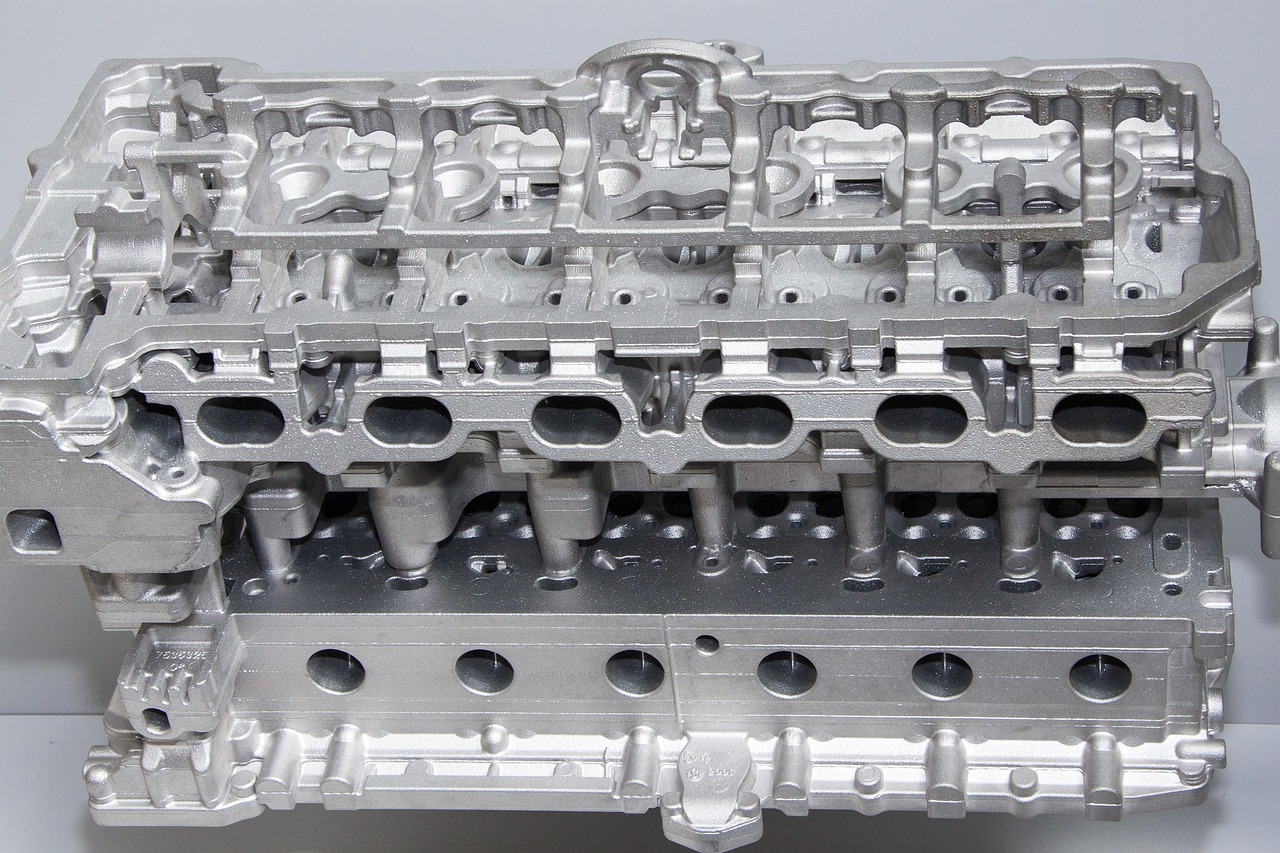
In the competitive field of automotive manufacturing, safety is not just a regulatory requirement; it's a cornerstone of efficiency and a driver of quality. Six Sigma in Automotive Manufacturing offers a systematic approach to identifying and mitigating risks, ensuring that every stage of production is not just compliant but also safe and optimized. This involves a profound understanding of the entire manufacturing process, from design to assembly, and the ability to pinpoint areas where waste can be reduced. General Motors has reported a 35% decrease in safety incidents in facilities implementing Six Sigma, highlighting its potential to transform auto factories.
The process begins with a complete view of risks. Instead of focusing on isolated incidents, Six Sigma encourages manufacturers to map out the entire value stream of production, identifying potential hazards and inefficiencies. This involves tools like Value Stream Mapping (VSM), which visually represents each step in the process, enabling managers to spot bottlenecks and areas where waste, in the form of time, materials, or energy, is generated. Toyota Motor Corporation, renowned for its Lean manufacturing practices, has successfully used VSM to streamline its assembly lines, reducing waste and enhancing safety by minimizing human interaction with hazardous machinery.
Automating quality checks is another best practice that falls under the Six Sigma umbrella. By implementing sophisticated sensors and data analytics, auto factories can detect defects and deviations from standards in real time, preventing substandard vehicles from progressing through production. Ford Motor Company has adopted advanced quality assurance systems, integrating them into its production planning. This not only ensures that every car meets stringent safety standards but also allows for quicker identification and correction of issues, thereby reducing the risk of costly recalls. Find us at Six Sigma Tools for Production Planning Cars to explore these and other innovative solutions tailored to the automotive industry.
Implementing Process Controls for Enhanced Safety

In Six Sigma in Automotive Manufacturing, implementing solid process controls is a cornerstone of enhancing safety on the factory floor. Data-driven analysis, a hallmark of Six Sigma, enables car manufacturers to identify and eliminate root causes of accidents, injuries, and near-misses. General Motors has credited Six Sigma with reducing serious injury and fatality rates by 80% since 2000. By analyzing trends using data visualization tools, car factories can uncover hidden dangers and inefficiencies that may be overlooked during manual inspections. This proactive approach to safety management is a key differentiator for leading automotive brands.
Quality management systems, including Six Sigma methodologies, play a vital role in ensuring consistent safety across the entire supply chain. Every component, from raw materials to final assembly, must meet stringent safety standards. Toyota Motor Corporation, for example, employs Statistical Process Control (SPC) techniques to monitor and control quality and safety at every stage of production. This not only reduces defects but also improves overall worker safety by minimizing the handling of potentially hazardous materials. Implementing such systems requires a structured approach, such as the Six Sigma DMAIC (Define, Measure, Analyze, Improve, Control) framework, to systematically address safety concerns.
Once implemented, process controls must be regularly reviewed and updated to remain effective. Ford Motor Company, a pioneer in adopting Six Sigma, uses Value Stream Mapping (VSM) to visualize and optimize its production processes, identifying areas where safety improvements can be made. Regular Kaizen Events, focused on small, incremental changes, are another powerful tool. These events, inspired by the Toyota Production System (TPS), encourage employees to suggest and implement immediate improvements, fostering a culture of continuous safety enhancement. By combining these advanced tools and practices, car manufacturers can achieve a level of safety that was once unattainable, leading to both improved quality and reduced costs through process improvements. Visit us at reducing costs through process improvements vehicles to learn more about these major strategies.
Measuring Success: Metrics in Six Sigma Automotive
The sigma offers a structured approach to improving safety in auto factories, with a focus on identifying and eliminating defects and variations in processes and products. Measuring success in this context is not merely about achieving a certain error rate; it's about quantifying the impact of Six Sigma projects on worker safety, product quality, and operational efficiency. Best practices for error reduction in vehicles, such as those implemented by Toyota Motor Corporation, involve integrating Six Sigma tools like Statistical Process Control (SPC) and the DMAIC methodology into daily operations.
a study by the University of Michigan found that implementing Six Sigma at a major auto manufacturer resulted in a 40% reduction in workplace injuries over a two-year period. This success was attributed to improved process control, enhanced worker training, and a culture of continuous improvement. Supply chain management for car manufacturers also benefits significantly from Six Sigma, as it optimizes material flow and reduces lead times, thereby minimizing the risk of component shortages that could lead to safety issues.
Integrating Six Sigma into auto design can help identify potential hazards before they become critical. Ford Motor Company, for example, has used Value Stream Mapping (VSM) to analyze and redesign assembly line processes, resulting in improved ergonomic design and reduced worker fatigue. The company also employs Green Belts, trained employees who facilitate Six Sigma projects, fostering a bottom-up approach to error reduction. The Service Quality Index (SQI) is another powerful metric, measuring customer satisfaction and identifying areas for improvement in after-sales services, indirectly enhancing vehicle safety through customer feedback loops.
When implementing Six Sigma projects for auto manufacturers, it's important to remember that success is not immediate. It requires consistent effort, ongoing training, and a commitment to the process. Find us at six sigma projects for auto manufacturers to learn more about how this methodology can transform your facility, making it safer, more efficient, and more aligned with the latest best practices in the industry.
Continuous Safety Improvement: Six Sigma's Long-Term Impact
The automotive manufacturing industry, known for its relentless pursuit of efficiency, has recognized the major power of Six Sigma in improving safety. Continuous safety improvement, a cornerstone of The sigma, goes beyond initial implementation; it's a long-term strategy that uses data to uncover and eliminate root causes of accidents and injuries. Analyzing trends with data visualization tools reveals patterns that may not be immediately apparent to the naked eye. Toyota Motor Corporation, a pioneer in lean manufacturing, has incorporated Statistical Process Control (SPC) into their car production processes, enabling them to identify and correct deviations in real time, thereby enhancing both quality and safety.
While lean manufacturing principles share a focus on efficiency, Six Sigma narrows in on the statistical likelihood of defects, aiming for near-perfect production. General Motors, for example, has implemented the Six Sigma DMAIC (Define, Measure, Analyze, Improve, Control) methodology to streamline their manufacturing processes. This approach has not only reduced the number of defects but also minimized workplace accidents by identifying and addressing potential hazards at each stage of production. The University of Michigan's research shows that facilities adopting Six Sigma practices experience a 40% reduction in safety incidents over a 5-year period.
The impact of Six Sigma extends beyond the factory floor. By analyzing data and implementing process improvements, automotive manufacturers can create safer vehicles. Ford Motor Company, for instance, has used Value Stream Mapping (VSM) to redesign vehicle assembly processes, resulting in a 30% reduction in setup time and improved worker comfort. This not only increases productivity but also reduces the risk of musculoskeletal injuries, a common concern in manufacturing. Integrating customer feedback loops, as promoted by ASQ (American Society for Quality), allows manufacturers to anticipate and address safety concerns from the consumer perspective. Companies like Toyota Production System (TPS) emphasize Kaizen Events, continuous improvement sessions that empower employees to suggest and implement safety enhancements, fostering a culture of safety from the ground up.
To use the full potential of Six Sigma in your automotive manufacturing facility, consider partnering with experts who understand the unique challenges of the industry. Visit us at [using data analytics in car production] to explore how data-driven insights can drive continuous safety improvements, ensuring a safer, more efficient production environment.
Frequently Asked Questions About how can six sigma improve safety in auto factories
What is Six Sigma, and how does it impact manufacturing safety?
Six Sigma is a data-driven quality management philosophy that focuses on eliminating defects and improving processes. By identifying and mitigating risks, it directly reduces accidents and injuries on the factory floor. This methodology prioritizes process control, employee training, and continuous improvement, all of which are key to enhancing safety. A study by the American Production and Inventory Control Society (APICS) found that implementing Six Sigma practices can lead to a 50-70% reduction in safety incidents over three years.
Why is safety particularly important in auto factory environments?
Auto factories handle complex machinery and hazardous materials, with workers often performing repetitive tasks in confined spaces. According to the U.S. Bureau of Labor Statistics, transportation equipment manufacturing had one of the highest non-fatal injury rates in 2021, emphasizing the critical need for safety measures. A well-implemented safety program, built on Six Sigma principles, can significantly reduce these risks, saving lives and limiting liability.
How does Six Sigma contribute to safer working conditions?
Through rigorous data analysis, Six Sigma identifies the root causes of safety issues. It then implements targeted solutions, such as ergonomic design changes, improved training, and enhanced personal protective equipment (PPE). A leading auto manufacturer used Six Sigma to address repetitive strain injuries among assembly line workers, leading to a 30% reduction in such incidents and improved employee satisfaction.
Can Six Sigma be integrated with existing health and safety programs?
Absolutely. Six Sigma can complement and augment existing health and safety protocols. Many organizations successfully integrate Six Sigma projects into their existing HSE (Health, Safety, and Environment) frameworks, ensuring a complete approach to risk management. This integration often results in more efficient and effective safety programs, as it uses existing resources and expertise.
What are some specific Six Sigma tools used in manufacturing safety?
Six Sigma employs various tools, including value stream mapping (VSM) to visualize and optimize work processes, and failure modes and effects analysis (FMEA) to predict and prevent potential hazards. Statistical process control (SPC) is another vital tool, which uses data to monitor and control processes, enabling quick identification and correction of safety deviations. These tools empower factory managers to make data-backed decisions for safer operations.
The sigma offers a powerful framework for enhancing safety in auto factories. By embracing data-driven improvement, companies like General Motors, Ford Motor Company, and Toyota Motor Corporation have demonstrated the ability to systematically identify and mitigate risks. Implementing process controls, such as Statistical Process Control (SPC) and Value Stream Mapping (VSM), allows for precise monitoring and reduction of safety hazards. The success of these initiatives is measurable through key performance indicators (KPIs) and continuous improvement metrics, showcasing the long-term impact of Six Sigma.
Key takeaways include:
- Systemic Risk Identification: Six Sigma encourages a complete view of safety by considering all stages of production, from assembly to quality assurance.
- Data-Driven Decisions: By relying on data, manufacturers can make informed choices to optimize safety processes, as evidenced by Toyota's Production System (TPS).
- Continuous Improvement: The cycle of DMAIC (Define, Measure, Analyze, Improve, Control) ensures that safety gains are sustained and built upon, similar to Ford's emphasis on Kaizen Events.
Practical next steps include:
- Conducting comprehensive safety audits using Six Sigma tools to identify areas for improvement.
- Investing in training programs, such as Green Belt Certification from ASQ, to empower employees in driving safety initiatives.
- Establishing customer feedback loops to integrate end-user insights into safety design and manufacturing processes.
The sigma is a proven strategy for achieving and maintaining the highest safety standards in auto factories, ultimately contributing to the well-being of workers and the quality of final products.
The sigma:
- Transforms high-risk environments into safe, efficient production lines by focusing on process optimization.
- Identifies and eliminates root causes of defects and hazards, enhancing quality and safety.
- Data-driven approach uses SPC, DMAIC, VSM, and customer feedback loops for continuous improvement.
- Proven to reduce injuries, defects, and costs; improve quality and efficiency; and foster a culture of safety.
- Key players like General Motors, Toyota, and Ford Motor Company have achieved significant safety gains.
- Structured training and certification programs, such as those from the University of Michigan and Georgia Tech, equip employees to drive safety standards.