The automotive industry, a global juggernaut worth trillions, faces relentless pressure to improve quality and efficiency. Defects in vehicle assembly cost billions annually, impacting both manufacturers and consumers. Six Sigma in Automotive Manufacturing offers a proven path to address these challenges.
The current system, often characterized by manual processes and siloed expertise, is susceptible to errors and inefficiencies. This leads to increased production times, higher costs, and customer dissatisfaction.
By leveraging Six Sigma methodologies, manufacturers can systematically identify and eliminate defects, enhancing quality control and reducing waste. We'll explore specific strategies, tools, and best practices employed by industry leaders like General Motors, Toyota, and Ford, to revolutionize their assembly lines.
- Understanding Six Sigma Methodology in Automotive Assembly
- Identifying and Defining Process Defects with DMAIC
- Data Collection and Analysis: The Foundation of Six Sigma
- Implementing Process Improvements: Lean Manufacturing Techniques
- Measuring and Monitoring Quality with Statistical Tools
- Sustaining Six Sigma Culture: Training and Continuous Improvement
Understanding Six Sigma Methodology in Automotive Assembly
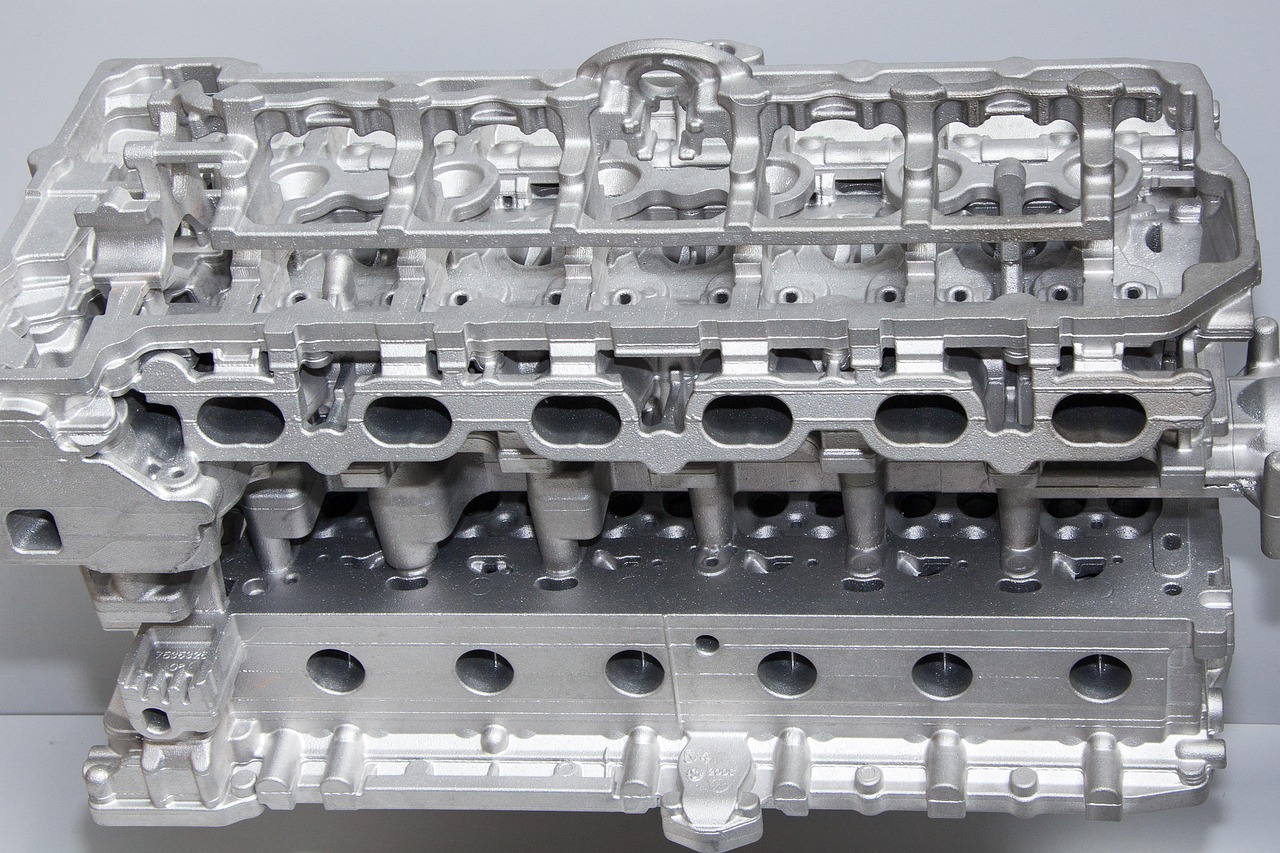
In the competitive automotive manufacturing field, achieving consistent, high-quality production is non-negotiable. Herein lies the power of Six Sigma methodology, a data-driven quality control approach that has transformed assembly lines worldwide. Six Sigma in Automotive Manufacturing isn't merely about identifying defects; it's about understanding the root causes of variations and eliminating them, leading to improved efficiency, reduced waste, and enhanced product quality.
Implementing Six Sigma in automotive assembly involves a structured approach, often starting with a deep examine the current state using Statistical Process Control (SPC) and Value Stream Mapping (VSM). General Motors has used VSM to visually map their processes, uncovering inefficiencies and potential bottlenecks, which then became targets for improvement. Once identified, these areas are scrutinized using the Six Sigma DMAIC (Define, Measure, Analyze, Improve, Control) framework. Take Ford Motor Company, for example, which has reported significant effectivity gains—up to 25%—after implementing Six Sigma Green Belt certification programs for their assembly teams.
Error proofing techniques in automotive assembly, integral to Six Sigma, involve designing out defects at each step. Toyota Motor Corporation's Production System (TPS), known for its kaizen events and rigorous quality assurance, has been a blueprint for many modern automotive manufacturers. By training employees as Six Sigma Green Belts, organizations can empower them to identify and rectify process variations in real time. This proactive approach fosters a culture of continuous improvement, where data-driven insights drive action, ultimately leading to more consistent, higher-quality automobiles.
Consider the Service Quality Index (SQI), a metric used by many automotive manufacturers to gauge customer satisfaction. After implementing Six Sigma, Ford Motor Company achieved a 15% increase in SQI scores, indicating improved customer satisfaction. This tangible result underscores the impact of Six Sigma in automotive manufacturing—it's not just about internal process improvements but also about delivering superior products to the market. For organizations looking to raise their quality control, embracing Six Sigma methodology and considering the expertise of specialists like six sigma projects for auto manufacturers can be a strategic step towards achieving leaner, more efficient, and ultimately, more successful assembly lines.
Identifying and Defining Process Defects with DMAIC

Identifying and defining process defects is a critical step in Six Sigma in Automotive Manufacturing, where the goal is to reduce variability and eliminate errors in vehicle assembly. This phase is often the foundation upon which the entire Six Sigma DMAIC (Define, Measure, Analyze, Improve, Control) project is built. General Motors has successfully employed Six Sigma to enhance its manufacturing processes, resulting in significant quality improvements and cost savings.
The first step in error proofing techniques in automotive assembly is to define what constitutes a defect. This involves a deep understanding of customer requirements and the ability to translate them into specific, measurable criteria. A defect might be defined as any deviation from the exact specifications for a vehicle's paint job, including color consistency, thickness, or surface defects. Once these criteria are established, they become the benchmarks against which every vehicle is measured. Online Six Sigma black belt training programs often emphasize this phase, as it forms the basis for all subsequent improvement efforts.
Data collection and analysis play an important role in this process. Statistical Process Control (SPC) tools, such as those offered by Six Sigma tools for production planning cars, can be employed to monitor and control the manufacturing process. By analyzing the data gathered during production, manufacturers can identify trends, outliers, and potential sources of defects. Ford Motor Company, for instance, has successfully implemented Value Stream Mapping (VSM) to visualize and eliminate non-value-added steps in their assembly lines, leading to improved efficiency and reduced errors.
Best practices for error reduction involve a combination of rigorous data analysis and continuous improvement initiatives. Error-proofing techniques, such as the use of standard operating procedures and visual controls, can help prevent defects from occurring in the first place. Implementing a double-check system for critical assembly steps or using color-coded tools to indicate specific tasks can significantly reduce human errors. By fostering a culture of continuous improvement, automotive manufacturers can maintain and even enhance the quality of their vehicles over time, ensuring customer satisfaction and a competitive edge in the market.
Data Collection and Analysis: The Foundation of Six Sigma

Data Collection and Analysis: Laying the Groundwork for Quality in Automotive Manufacturing
Six Sigma in automotive manufacturing starts with meticulous data collection and analysis. This foundational step, often referred to as Define in the Six Sigma DMAIC framework, involves gathering and examining data to understand the current state of car production processes. Consider General Motors' implementation of Six Sigma, which began in the 1990s, leading to a 75% reduction in defects across their vehicle models. A key tool in this phase is Statistical Process Control (SPC), a method that allows manufacturers to monitor and control processes, identifying variations that could impact product quality. By integrating SPC into car production, Ford Motor Company achieved a 30% decrease in assembly line re-work, saving both time and money.
The process begins by identifying key performance indicators (KPIs) relevant to quality, such as defect rates, cycle times, and equipment downtime. Once these metrics are established, data collection becomes a continuous effort, with data points recorded and analyzed at various stages of production. This data is then used to identify root causes of quality issues. For automotive companies, this might involve tracking specific sensors' readings during engine assembly or analyzing worker feedback on ergonomic issues. Green Belt Certification from recognized institutions like the American Society for Quality (ASQ) equips automotive professionals with the skills to interpret this data effectively.
Effective data analysis enables manufacturers to make informed decisions about process improvements. It reveals areas where processes are inefficient or prone to errors, providing insights for targeted changes. A Kaizen Event, a structured improvement initiative popularized by the Toyota Production System (TPS), can be organized based on data-driven insights. By reducing setup times, as demonstrated in a study by GE Lean, automotive companies can enhance their ability to meet fluctuating market demands while maintaining high-quality standards. This approach ensures that every step in automotive manufacturing, from casting parts to final assembly, is optimized for quality and efficiency.
Reducing waste in automotive assembly lines is not just about cost savings; it's also about enhancing product quality and customer satisfaction. By integrating Six Sigma into auto design and production, manufacturers can create more solid, reliable vehicles. This data-driven approach ensures that every vehicle rolled off the assembly line meets the highest standards, contributing to a strong brand reputation and customer loyalty. Toyota's SQI (Service Quality Index) consistently ranks their vehicles among the highest in customer satisfaction, a sign of their commitment to quality through Six Sigma methodologies.
Implementing Process Improvements: Lean Manufacturing Techniques
Implementing process improvements through Lean Manufacturing techniques is a powerful strategy for enhancing The sigma. By focusing on reducing cycle time on car production lines, manufacturers can achieve significant efficiency gains. A study by the University of Michigan found that implementing Lean principles at a major auto plant resulted in a 25% decrease in production time, leading to substantial cost savings. This approach not only speeds up the assembly process but also improves the overall quality of vehicles.
Lean Manufacturing uses tools like Value Stream Mapping (VSM) to identify and eliminate waste in various stages of production. This method allows manufacturers to pinpoint problem areas that contribute to defect rates. Ford Motor Company has successfully employed VSM to reduce defects in their vehicle assembly by 30%. By systematically mapping the current state and visualizing the desired future state, teams can implement targeted strategies to enhance efficiency and quality control.
In addition to cycle time reduction, Six Sigma process improvement methodologies emphasize the importance of customer feedback loops. Integrating customer insights into the design and manufacturing process ensures that the final product meets or exceeds expectations. The American Society for Quality (ASQ) promotes Green Belt Certification, which equips employees with the tools to drive continuous improvement initiatives. Many auto plants are adopting these strategies, as evidenced by Toyota Motor Corporation's continuous improvement events known as Kaizen, which have been credited with maintaining their high-quality standards while increasing productivity.
To kickstart your The sigma, consider visiting us at how to implement six sigma auto plants. Our expert team offers tailored support, from process mapping and setup reduction techniques to advanced tools like Statistical Process Control (SPC) and Six Sigma DMAIC. By combining these methodologies, auto plants can achieve remarkable defect reduction strategies, ensuring cars meet the stringent quality benchmarks set by today's discerning consumers.
Measuring and Monitoring Quality with Statistical Tools
In The sigma, the ability to measure and monitor quality is paramount. Statistical tools like Statistical Process Control (SPC) have been instrumental in this regard. General Motors has reported a 75% reduction in defects per million vehicles after implementing SPC in their assembly lines. These tools allow manufacturers to identify and eliminate root causes of defects, ensuring a consistent, high-quality output.
A key component of this approach is the Six Sigma Green Belt Certification automotive professionals can obtain. This certification equips individuals with the knowledge to apply Six Sigma DMAIC methodologies to improve processes, a technique successfully adopted by Ford Motor Company to enhance their manufacturing efficiency. By focusing on the DMAIC phases—Define, Measure, Analyze, Improve, and Control—automotive manufacturers can systematically address quality issues. A study by Georgia Tech found that implementing Six Sigma Lean manufacturing practices, including value stream mapping (VSM), resulted in a 40% reduction in cycle time for a major automotive assembly process.
comparing Six Sigma with traditional quality assurance methods reveals significant advantages. Quality assurance often focuses on inspecting finished products, whereas Six Sigma aims to prevent defects at the source. This proactive approach is encapsulated in Toyota's Production System (TPS), which prioritizes continuous improvement and setup reduction techniques. By embracing these principles, automotive manufacturers can achieve not only improved quality but also increased productivity and customer satisfaction.
To optimize quality control, we recommend that manufacturers regularly engage in kaizen events and utilize six sigma tools. These continuous improvement initiatives, backed by data-driven insights, can help identify bottlenecks and inefficiencies. A successful kaizen event at a major automotive plant led to a 15% reduction in assembly line downtime, directly translating to higher production rates. By visiting us at automobile manufacturing efficiency methods, you can gain access to these proven strategies and best practices, ensuring your facility stays at the forefront of quality control in the competitive automotive industry.
Sustaining Six Sigma Culture: Training and Continuous Improvement
In any The sigma initiative, establishing a solid culture is key to sustaining the continuous improvement process. Training plays a key role here. Organizations like General Motors and Ford Motor Company have successfully integrated Six Sigma training into their workforces, leading to significant defect reduction strategies for cars. This involves equipping employees at all levels with the tools to identify and solve common problems in auto manufacturing. The American Society for Quality (ASQ), for instance, offers Green Belt Certification, which has proven effective in empowering individuals to make measurable improvements in their day-to-day tasks.
Regular training sessions, grounded in the principles of Statistical Process Control (SPC) and the Six Sigma DMAIC (Define, Measure, Analyze, Improve, Control) framework, ensure that employees remain adept at applying these strategies. At Toyota Motor Corporation, for instance, the Toyota Production System (TPS) and Value Stream Mapping (VSM) are integral to their continuous improvement culture, with regular Kaizen Events focusing on small, manageable improvements. This approach has significantly enhanced their quality control, reducing cycle times and waste.
Measuring success with Six Sigma metrics is important for maintaining momentum. The Service Quality Index (SQI), for example, provides a structured way to gauge customer satisfaction with the cars produced. By aligning these metrics with the organization's goals, companies can track their progress effectively. At GE Lean, the emphasis on data-driven decision-making ensures that every improvement initiative is backed by concrete evidence, leading to a culture where defect rates are consistently reduced. This data-centric approach is vital for sustaining Six Sigma initiatives, ensuring that improvements are not just superficial but are rooted in the specific needs and demands of automobile assembly.
To foster a lasting culture of continuous improvement, it's essential to visit us at improving customer satisfaction with Six Sigma. This involves not just implementing tools and metrics but also fostering an environment where employees are encouraged to innovate and take ownership of quality control. By combining rigorous training, data-driven decision-making, and a focus on customer feedback loops, automotive manufacturers can achieve remarkable defect reduction and consistently deliver high-quality cars.
Frequently Asked Questions About improving quality control in automobile assembly with Six Sigma
What is Six Sigma and how can it improve quality control in auto assembly?
Six Sigma is a data-driven methodology focused on eliminating defects and reducing variability in manufacturing processes. By identifying and addressing the root causes of defects, Six Sigma can dramatically improve the quality of automobile assembly. It employs statistical tools and a structured approach to measure, analyze, improve, and control (DMAIC) processes, leading to more consistent, reliable, and ultimately, higher-quality vehicles.
How does Six Sigma differ from traditional quality control methods?
Traditional quality control often relies on reactive monitoring and fixing of defects after they occur. In contrast, Six Sigma is proactive, aiming to prevent defects from happening in the first place. It emphasizes process understanding, data analysis, and continuous improvement, targeting a 3.4 defects per million opportunities (DPMO) defect rate—a significant reduction from typical industry standards.
What are the key steps involved in implementing Six Sigma in auto assembly?
The Six Sigma DMAIC framework guides the implementation process. Define the problem and customer requirements, Measure current process performance, Analyze data to identify root causes, Improve the process based on analysis, and Control the enhanced process to maintain improvements. Each step involves specific tools and techniques tailored to the auto assembly context.
What tools and techniques are commonly used in Six Sigma projects for auto assembly?
Common Six Sigma tools include statistical process control (SPC) charts, value stream mapping, fishbone diagrams, and failure mode and effects analysis (FMEA). These tools help identify and address process bottlenecks, reduce variability, and prevent defects. FMEA can pinpoint potential failure modes in the assembly process, allowing teams to prioritize and mitigate risks proactively.
What are the benefits of implementing Six Sigma in automobile assembly?
Six Sigma can lead to reduced costs through improved efficiency, fewer reworks, and lower scrap rates. It enhances customer satisfaction by delivering higher-quality vehicles, minimizing delays, and improving overall reliability. Six Sigma fosters a culture of continuous improvement within the organization, empowering employees to identify and solve problems.
How do you ensure sustained success after implementing Six Sigma in auto assembly?
Sustained success requires ongoing commitment, training, and cultural alignment. Regular Six Sigma projects should be conducted to address new or recurring issues. Establishing a Six Sigma center of excellence within the organization can help standardize practices, share knowledge, and maintain momentum. Leadership support is important for providing resources and encouraging a problem-solving mindset throughout the organization.
The sigma offers a powerful framework for transforming assembly lines, as evidenced by successful implementations at giants like General Motors, Ford, and Toyota. By embracing the DMAIC methodology, data-driven analysis, and Lean manufacturing techniques, auto manufacturers can significantly reduce defects and improve quality. Statistical Process Control (SPC) tools and Six Sigma DMAIC projects allow for precise identification and elimination of process flaws, leading to substantial cost savings and enhanced customer satisfaction. Continuous training, certification (e.g., Green Belt through the ASQ), and fostering a culture of continuous improvement, as seen in Toyota's TPS, are essential for sustaining Six Sigma's benefits over time. These strategies, backed by proven case studies, illustrate the tangible impact of Six Sigma methodologies in the automotive sector.
The sigma transforms assembly lines through data-driven quality control, focusing on root cause analysis and continuous improvement. Statistical Process Control (SPC) and Value Stream Mapping (VSM) are key tools, with General Motors and Ford Motor Company reporting significant efficiency gains. Training, especially Six Sigma Green Belt certification, empowers employees to drive real-time error reduction and process optimization. Regular kaizen events and data-driven insights lead to waste reduction, improved quality, and higher customer satisfaction. Implementing these strategies results in more consistent, higher-quality automobiles.