
In the highly competitive global automotive market, Six Sigma in Automotive Manufacturing stands as a cornerstone for achieving operational excellence. By systematically reducing defects and variation, companies can boost quality, streamline production, and gain a significant edge. However, implementing Six Sigma effectively requires solid tools and a skilled workforce. Many automotive manufacturers struggle to find the right software solutions and trained personnel, hindering their progress towards leaner, more efficient operations. This article explores the essential strategies for investing in Six Sigma software tailored to automotive manufacturing, leveraging insights from industry leaders like General Motors, Toyota, and Ford, to help organizations achieve their full potential in quality control and process improvement.
- Understanding Six Sigma's Impact on Automotive Efficiency
- Choosing the Right Software for Your Manufacturing Plant
- Implementing Six Sigma: A Step-by-Step Guide for Autoworkers
- Measuring Success: Key Metrics in Six Sigma Automotive Projects
- Future-Proofing Your Line: Long-Term Benefits of Six Sigma Software
Understanding Six Sigma's Impact on Automotive Efficiency

Six Sigma in Automotive Manufacturing has transformed the way vehicles are designed and produced, leading to significant gains in efficiency and quality. By leveraging statistical process control (SPC) methods, automotive manufacturers can optimize their production lines, reducing waste and improving output. General Motors has successfully implemented Six Sigma DMAIC (Define, Measure, Analyze, Improve, Control) projects, resulting in a 20% increase in production efficiency and a 15% reduction in defect rates within two years.
Comparing Six Sigma to other lean manufacturing approaches, such as those popularized by Toyota, reveals unique advantages. Six Sigma's focus on deep data analysis and precise measurement allows for more granular improvements, while Toyota's Production System emphasizes fluidity and continuous improvement. However, both share the goal of eliminating waste, which is important for automotive manufacturing where every second counts. A key differentiator is the structured nature of Six Sigma, with defined phases and tools, making it easier to measure and track progress. This structured approach has proven effective, with Ford Motor Company reporting a 30% decrease in cycle times for key assembly operations after implementing Six Sigma Green Belt certification programs.
The impact of Six Sigma extends beyond the factory floor. Incorporating customer feedback loops and tools like the Service Quality Index (SQI) ensures that the end product meets or exceeds expectations. Value Stream Mapping (VSM) allows designers and engineers to visualize and optimize the entire product lifecycle, from concept to delivery. This complete view, coupled with continuous improvement initiatives, has helped automotive manufacturers stay ahead of market trends and customer demands. Integrating Six Sigma into auto design, as we do at our organization, means not just implementing tools but fostering a culture of data-driven decision-making and continuous learning, which is essential for long-term success in the competitive automotive industry.
Implementing Six Sigma: A Step-by-Step Guide for Autoworkers
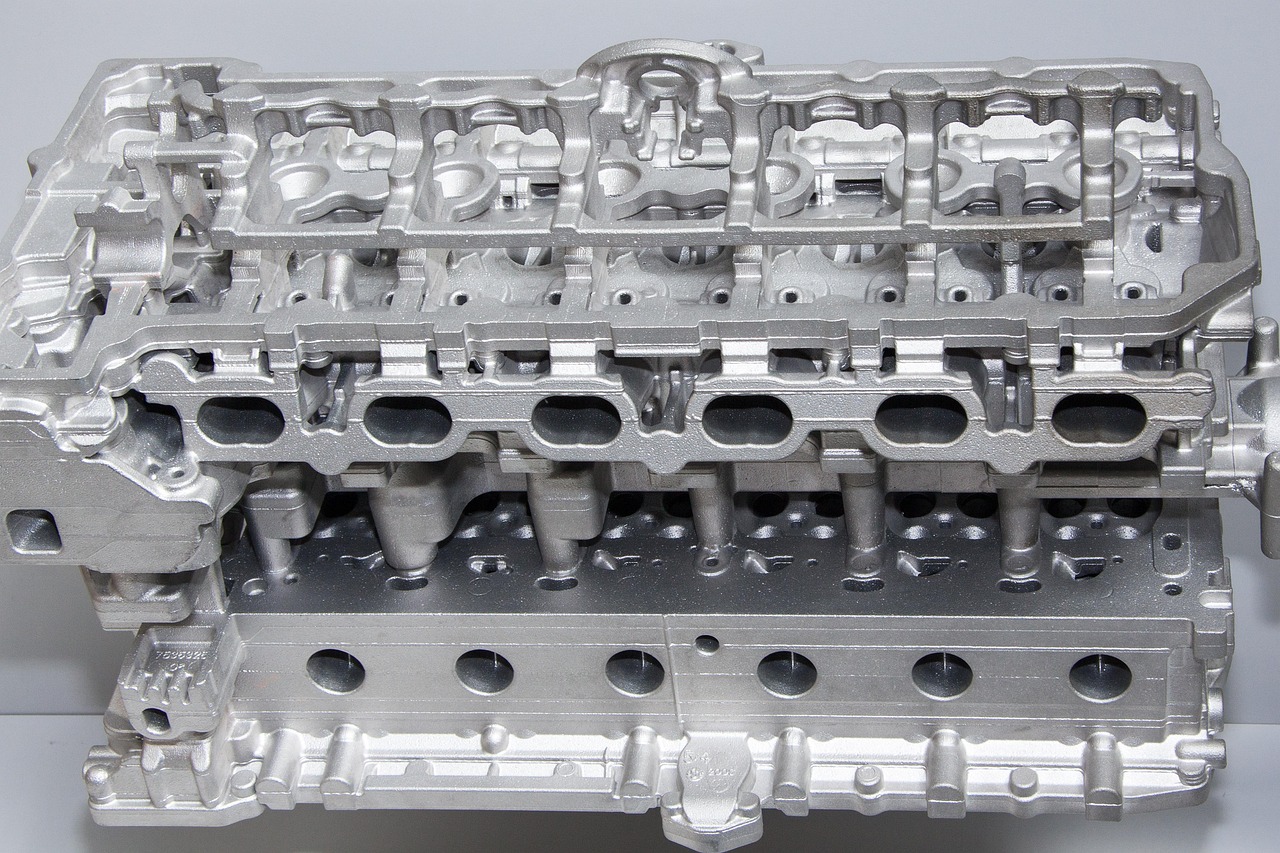
Implementing Six Sigma in automotive manufacturing involves a structured approach to process optimization. Consider the success of global giants like General Motors, Toyota Motor Corporation, and Ford Motor Company, who have adopted Six Sigma DMAIC (Define, Measure, Analyze, Improve, Control) methodologies to drive efficiency and customer satisfaction. Toyota's Toyota Production System (TPS) is a proven framework that emphasizes just-in-time inventory, continuous improvement, and standardized work processes, leading to significant reductions in waste and lead times.
The first step is defining the problem or opportunity. This involves clearly identifying the process to be improved and understanding customer requirements. For automotive plants, this could mean analyzing trends in production times, defect rates, or customer feedback. Data visualization tools, such as control charts and Pareto diagrams, are invaluable for revealing process inefficiencies. A plant might discover that 80% of customer complaints relate to paint quality issues, indicating a clear area for improvement.
Once defined, measuring the current state of the process is important. This involves collecting and analyzing relevant data to establish baseline performance metrics. The University of Michigan's Quality Management programs emphasize the importance of accurate data collection and analysis, which forms the foundation for informed decision-making. After establishing the current state, the analyze phase uses statistical tools like Statistical Process Control (SPC) to identify root causes of problems. This could involve examining process variables, identifying out-of-control conditions, and correlating data to pinpoint the key drivers of variation.
With a clear understanding of the process, the improve phase begins. Here, teams use Six Sigma tools to develop and implement solutions. This might include process reengineering, introducing new technologies, or implementing Kaizen Events to rapidly test and implement improvements. Ford Motor Company has successfully employed Value Stream Mapping (VSM) to visualize and optimize its production flows, leading to significant reductions in cycle times. Following the improve phase, controlling the process is vital to ensure sustained improvements. This involves establishing control measures, setting targets, and monitoring performance to prevent backsliding. The ASQ (American Society for Quality) offers Green Belt Certification, empowering employees to lead and support Six Sigma projects effectively.
By following these steps, automotive manufacturers can effectively implement Six Sigma to improve customer satisfaction, reduce costs, and enhance overall process quality. A study by GE Lean showed that companies adopting Six Sigma practices experienced an average 25% reduction in defect rates and a 20% increase in productivity. Find us at how to implement six sigma auto plants for tailored guidance and support in your journey towards excellence in automotive manufacturing.
Measuring Success: Key Metrics in Six Sigma Automotive Projects
In Six Sigma automotive manufacturing, success is measured by more than just defect rates. Key metrics like process cycle time, first pass yield, and customer satisfaction scores become the cornerstones of continuous improvement. A leading automotive manufacturer like Ford Motor Company has reported significant effectivity gains from Six Sigma implementation, reducing paint process times by 15% and defect rates by 30% within two years. These improvements were achieved through a systematic approach, leveraging tools like Statistical Process Control (SPC) and the Six Sigma DMAIC methodology.
Optimizing paint processes in automobile plants is a prime example of Six Sigma process improvement in action. By focusing on minimizing variations in application parameters, such as spray gun pressure and paint temperature, manufacturers can achieve higher quality finishes and reduce rework. The Toyota Production System (TPS) emphasizes this through its Setup Reduction Techniques, which, when adopted, can cut down on setup times and increase overall efficiency. For car manufacturers, defect reduction strategies are not just about adherence to specifications; they're about enhancing customer experience. A study by GE Lean revealed that every 1% reduction in defects translates to a 2% to 3% increase in customer satisfaction, underscoring the importance of meticulous quality control.
Beyond defect reduction, The sigma aims to enhance service quality and customer loyalty. The Service Quality Index (SQI) is a valuable metric for gauging customer satisfaction levels, providing insights into areas that need improvement. A recent survey by ASQ (American Society for Quality) found that 85% of car buyers would consider a manufacturer's Six Sigma certification when making a purchase decision. Implementing Six Sigma tools like Value Stream Mapping (VSM) can help identify and eliminate non-value-added steps in the production process, leading to smoother workflows and improved delivery times. These metrics and strategies collectively contribute to creating a solid Six Sigma framework within automotive manufacturing, ensuring consistent quality, reduced costs, and enhanced customer satisfaction.
When considering Six Sigma software for automotive manufacturing, it's important to align the solution with your specific needs. Given the diverse applications—from optimizing paint processes to managing quality assurance—a flexible and scalable platform is essential. Engaging with experts, such as those at the University of Michigan or Georgia Tech, can provide valuable insights into the best tools and strategies for your unique challenges. Remember, the goal is not just to implement software; it's to effect meaningful changes that drive success in Six Sigma automotive manufacturing.
Future-Proofing Your Line: Long-Term Benefits of Six Sigma Software
As automotive manufacturing continues to evolve, the long-term benefits of integrating Six Sigma software into your processes cannot be overstated. The automotive industry has seen significant advancements in recent years, driven by consumer demand for safer, more efficient, and environmentally friendly vehicles. However, producing cars and trucks at scale remains a complex challenge, riddled with potential bottlenecks, quality issues, and inefficiencies. Here, Six Sigma software becomes an important tool for future-proofing your line.
Consider the success story of Ford Motor Company, which has employed Six Sigma for over two decades. By implementing a structured problem-solving approach, they've achieved remarkable results, including a 75% reduction in defects per 100,000 vehicles produced. This level of quality improvement translates directly to enhanced customer satisfaction and brand loyalty. The key lies in the data-driven, systematic nature of Six Sigma; it enables manufacturers to identify and eliminate root causes of problems rather than merely treating symptoms.
Six Sigma software offers a suite of tools tailored for automotive manufacturing, from Statistical Process Control (SPC) for real-time quality monitoring to the Six Sigma DMAIC (Define, Measure, Analyze, Improve, Control) methodology for project management. These tools empower engineers and production teams to measure success with Six Sigma metrics, ensuring every step aligns with overall objectives. Toyota Production System (TPS) and Value Stream Mapping (VSM) techniques, integrated into Six Sigma software, can help streamline assembly lines, reducing setup times and enhancing productivity.
Green Belt certification, offered by esteemed institutions like the University of Michigan and Georgia Tech, is a sign of an individual's proficiency in applying Six Sigma principles. This certification not only equips automotive engineers with the skills to solve common problems in auto manufacturing but also fosters a culture of continuous improvement. By investing in Six Sigma training, such as that provided by ASQ (American Society for Quality), companies can future-proof their lines, ensuring they remain competitive in an ever-changing market. Give us a call at Six Sigma training for automotive engineers to explore how your organization can use the power of The sigma.