
The automotive industry is renowned for its constant pursuit of efficiency and quality. As global competition intensifies, manufacturers face mounting pressure to reduce costs without compromising safety or performance. Six Sigma, a data-driven quality management methodology, has emerged as a powerful tool to tackle these challenges in automotive manufacturing. By focusing on eliminating defects and reducing variability, Six Sigma promises significant improvements in process efficiency, product quality, and customer satisfaction.
This article delves into the strategic application of Six Sigma techniques across various facets of auto manufacturing, from optimizing supply chains and improving assembly line productivity to enhancing employee engagement and fostering a culture of continuous improvement. We'll explore best practices, implementation strategies, and real-world case studies, equipping automotive industry professionals with the knowledge to harness the transformative potential of Six Sigma.
- Implementing Six Sigma: Strategies for Automotive Manufacturing
- Optimizing Processes: Six Sigma Techniques for Auto Industry
- Enhancing Quality and Efficiency: Six Sigma in Action for Cars
Implementing Six Sigma: Strategies for Automotive Manufacturing

Implementing Six Sigma in Automotive Manufacturing involves a strategic, data-driven approach to optimize processes, reduce costs, and enhance overall efficiency. By focusing on identifying and eliminating defects, minimizing variability, and improving quality control, Six Sigma methods have proven to be a powerful tool for the automotive industry. For instance, a study by McKinsey & Company found that companies implementing Six Sigma strategies saw a 20-30% reduction in manufacturing costs within two years.
Key strategies include leveraging Six Sigma Black Belt training to equip employees with advanced problem-solving skills. Online courses, which are easily accessible and flexible, can prepare professionals for the rigorous demands of the Six Sigma role. Once trained, these experts can lead initiatives to streamline production lines, optimize the supply chain, and fix inefficiencies across various sectors, such as the body shop and paint shop. For example, implementing Six Sigma techniques in a car body shop can reduce the time spent on troubleshooting issues, thereby increasing the overall production rate.
Process optimization is a core principle of Six Sigma, aiming to eliminate non-value-added steps and reduce lead times. By analyzing data and identifying bottlenecks, automotive manufacturers can cut waste, lower defect rates, and enhance customer satisfaction. For instance, a leading auto manufacturer, Toyota, has long been associated with Lean manufacturing, but they also employ Six Sigma methods to continuously improve their production processes. This dual approach, combining Lean and Six Sigma, has allowed Toyota to maintain a competitive edge in the global market.
In terms of practical application, Six Sigma software can play a significant role in data analysis and project management. These tools help track performance metrics, identify process trends, and facilitate collaboration among cross-functional teams. By visiting us at [error proofing techniques in automotive assembly](visit us at error proofing techniques in automotive assembly), professionals can gain access to cutting-edge resources and best practices tailored for the automotive sector. Ultimately, the successful implementation of Six Sigma in automotive manufacturing requires a commitment to continuous improvement, data-driven decision-making, and a culture that values quality and efficiency.
Optimizing Processes: Six Sigma Techniques for Auto Industry

Six Sigma, renowned for its effectiveness in process improvement, offers a powerful toolkit for the automotive industry to optimize its manufacturing processes. This data-driven methodology focuses on identifying and eliminating defects, reducing variability, and improving quality, ultimately leading to significant cost savings and enhanced productivity. By applying Six Sigma techniques, auto manufacturers can address various challenges, from streamlining complex assembly lines to fixing long lead times, thereby gaining a competitive edge.
One of the key advantages of Six Sigma in the auto sector is its ability to bridge the gap between lean manufacturing principles and specific automotive requirements. While lean manufacturing emphasizes eliminating waste and maximizing efficiency, Six Sigma delves deeper into statistical process control, enabling manufacturers to achieve near-perfect quality in every vehicle produced. For instance, implementing Six Sigma strategies in engine assembly can lead to shorter cycle times and reduced setup times, allowing auto plants to increase production without compromising quality. Case studies from the automotive sector highlight successful Six Sigma projects, demonstrating improvements in OEE, defect reduction, and overall process optimization.
To harness the full potential of Six Sigma in auto manufacturing, professionals should consider a structured approach. This includes training workers in Six Sigma methodologies, fostering a culture of continuous improvement, and utilizing specialized software for data analysis. By combining Six Sigma with a lean manufacturing mindset, auto manufacturers can create agile, responsive, and highly efficient production systems. For instance, fixing long lead times can be achieved by optimizing the supply chain using Six Sigma techniques, ensuring just-in-time delivery of components. Additionally, delving into data analysis tools enables manufacturers to identify root causes of problems, be it in the paint shop or tire production, facilitating targeted and effective solutions.
In conclusion, Six Sigma offers a comprehensive framework for auto industry professionals to optimize their processes, reduce costs, and enhance overall performance. By adopting these methods, manufacturers can visit us at solving common problems in auto manufacturing to achieve sustainable success, ensuring they remain competitive in a rapidly evolving market.
Enhancing Quality and Efficiency: Six Sigma in Action for Cars
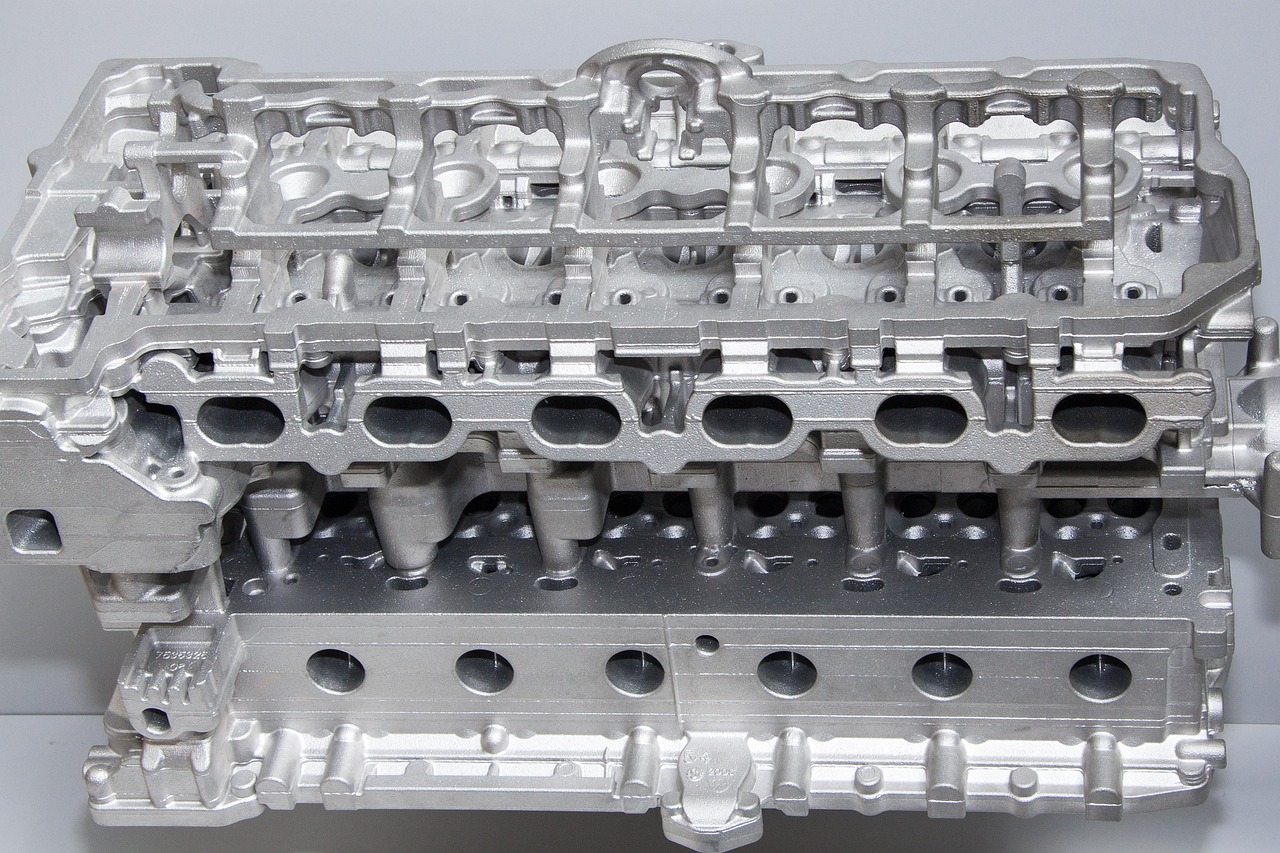
Six Sigma has proven to be a powerful tool for enhancing quality and efficiency in automotive manufacturing. By focusing on reducing defects and variability, Six Sigma case studies in the automotive sector consistently demonstrate significant effectivity gains. For instance, implementing Six Sigma methodologies in tire production has led to a notable reduction in tire failures, improving both safety and customer satisfaction.
One of the key benefits of Six Sigma in car manufacturing is its ability to streamline processes and error-proof assembly lines. Error-proofing techniques, such as standard operating procedures and automated quality checks, have been successfully integrated into automotive assembly lines, minimizing errors and improving overall equipment effectiveness (OEE). For example, a leading auto manufacturer achieved a 30% increase in OEE by implementing Six Sigma strategies in their engine assembly process.
Beyond improving individual processes, Six Sigma offers a holistic approach to optimizing the entire automotive supply chain. By analyzing data and identifying bottlenecks, Six Sigma consultants can help auto manufacturers cut down on inventory, reduce lead times, and enhance logistics. A recent study revealed that companies that adopted Six Sigma practices in their supply chain management experienced a 25% reduction in inventory costs and a 15% decrease in order fulfillment times. This not only improves financial performance but also enables automotive plants to respond more quickly to market demands, leading to enhanced customer satisfaction.
In conclusion, Six Sigma in automotive manufacturing offers a comprehensive framework for achieving remarkable effectivity gains. By focusing on data analysis, error proofing, and process optimization, auto manufacturers can streamline their operations, reduce costs, and deliver higher-quality vehicles. To explore these strategies further, consider reaching out to experienced Six Sigma consultants and leveraging specialized software tailored for the automotive sector, ensuring a successful journey towards operational excellence. Find us at improving customer satisfaction with Six Sigma, where we can provide personalized guidance to help you harness the full potential of this powerful methodology.
Six Sigma in Automotive Manufacturing offers a comprehensive toolkit for auto industry professionals to significantly reduce costs, enhance quality, and streamline operations. By implementing Six Sigma methodologies, manufacturers can optimize their processes, from production lines to supply chains, resulting in improved efficiency and lower defect rates. Key takeaways include the effectiveness of Six Sigma tools in fixing inefficiencies, reducing waste, and cutting lead times across various departments, including assembly, painting, and tire production. Additionally, the article highlights the importance of employee engagement and data analysis in successful Six Sigma projects, ensuring sustainable manufacturing practices that boost productivity while minimizing variability in auto components. As a practical next step, professionals can consider targeted training programs and software solutions tailored for the automotive sector to kickstart their Six Sigma implementation journey.
Six Sigma in Automotive Manufacturing:
A data-driven approach to optimize processes, reduce costs, and enhance efficiency. Key strategies include Black Belt training, online courses, and process optimization. Combines Lean manufacturing with statistical process control for near-perfect quality. Case studies show significant cost savings, improved OEE, and error reduction. Streamlines assembly lines, error-proofs processes, and optimizes supply chains. Reduces inventory, lead times, and logistics costs, improving customer satisfaction. Trained professionals and specialized software drive continuous improvement and operational excellence.