
The automotive industry is undergoing a transformation, driven by the need to enhance efficiency, reduce costs, and improve product quality. In this competitive landscape, Six Sigma emerges as a powerful methodology to revolutionize automotive manufacturing processes. By systematically identifying and eliminating defects, Six Sigma aims to optimize every stage of car production, from design to assembly and supply chain management.
This article delves into the diverse applications of Six Sigma in the automotive sector, offering practical insights on implementing these methods to address specific challenges. We explore how Six Sigma green belt certification, training programs, and specialized software can empower professionals to drive significant improvements, including reduced defect rates, streamlined production lines, enhanced customer satisfaction, and cost savings. Get ready to discover the potential of Six Sigma in transforming your automotive manufacturing operations.
- Implementing Six Sigma: Strategies for Automotive Cost Reduction
- Six Sigma Training & Tools for Auto Industry Professionals
- Enhancing Automotive Manufacturing Efficiency with Six Sigma Techniques
Implementing Six Sigma: Strategies for Automotive Cost Reduction

Implementing Six Sigma in automotive manufacturing offers a powerful strategy for cost reduction and process optimization. This data-driven methodology focuses on identifying and eliminating defects, reducing variability, and improving overall quality. For automotive engineers, integrating Six Sigma involves a structured approach, beginning with understanding the customer's needs and translating them into specific, measurable goals.
Training plays a crucial role in successful implementation. Specialized Six Sigma training for automotive engineers, focusing on techniques like error proofing in assembly lines, equips them with the tools to analyze and improve processes. These error proofing techniques, for instance, involve designing work instructions and physical controls to prevent errors from occurring in the first place, minimizing rework and waste. By combining this training with a deep understanding of automotive manufacturing processes, engineers can identify and address inefficiencies at their root cause.
For instance, a leading automotive manufacturer utilized Six Sigma to tackle long lead times, a common pain point in the industry. Through a root cause analysis, they identified delays in component procurement as a primary factor. By implementing a Six Sigma project, they streamlined their supplier relationships, introduced just-in-time delivery systems, and standardized ordering processes. This proactive approach not only reduced lead times but also lowered inventory costs and improved overall production flexibility. Moreover, focusing on customer satisfaction with Six Sigma principles led to enhanced quality control during automobile assembly, resulting in a significant drop in defect rates for vehicle components.
To maximize benefits, automotive manufacturers should consider investing in Six Sigma software tailored for the industry and, if needed, engage top-tier Six Sigma consultants. These resources provide essential support for data analysis, project management, and knowledge transfer. Ultimately, a well-executed Six Sigma initiative can drive substantial cost reduction, boost productivity, and foster a culture of continuous improvement within automotive manufacturing operations. Find us at automobile manufacturing efficiency methods for more in-depth insights and guidance on implementing these powerful strategies.
Six Sigma Training & Tools for Auto Industry Professionals

Six Sigma training and tools are indispensable for auto industry professionals aiming to optimize manufacturing processes and gain a competitive edge. This powerful methodology, known for its data-driven approach and focus on quality, offers a structured framework to address the unique challenges of automotive production. From reducing cycle times on intricate car assembly lines to minimizing defects in complex vehicle components, Six Sigma provides actionable insights and measurable results.
For instance, leveraging Design of Experiments (DoE) techniques, auto manufacturers can systematically test and optimize various factors influencing component performance. By carefully analyzing and controlling these variables, they can significantly reduce variability, a key aspect of Six Sigma. This method is particularly beneficial in the tire production process, where consistent quality is paramount. Moreover, Six Sigma tools, such as statistical process control and failure mode and effects analysis, enable professionals to identify and eliminate root causes of inefficiencies in areas like the paint shop or body shop, ultimately fixing delivery delays and improving overall equipment effectiveness (OEE).
When comparing Six Sigma to Lean manufacturing, both approaches share common goals of waste reduction and process enhancement. However, Six Sigma differentiates itself with its emphasis on data-driven decision-making and a deeper dive into process variability. For auto plants, this means meticulously studying every step of the manufacturing journey, from part procurement to final assembly. By employing Six Sigma techniques, professionals can achieve substantial reductions in lead times, cut waste, and lower defect rates. For instance, a study by the Automotive Industry Action Group revealed that implementing Six Sigma strategies led to a 30% improvement in productivity and a 25% decrease in manufacturing costs for participating auto manufacturers.
To kickstart your Six Sigma journey, consider enrolling in specialized training programs tailored for the auto industry. These programs equip professionals with the skills to lead and support Six Sigma initiatives within their organizations. Additionally, utilizing Six Sigma software designed for automotive manufacturing streamlines data analysis and project management, enabling teams to focus on strategic decision-making. For those seeking expert guidance, consulting firms specializing in Six Sigma for the automotive sector offer valuable support in customizing solutions for specific plant needs. Visit us at how to implement six sigma auto plants to explore these resources and take the first step towards revolutionizing your automotive manufacturing processes.
Enhancing Automotive Manufacturing Efficiency with Six Sigma Techniques
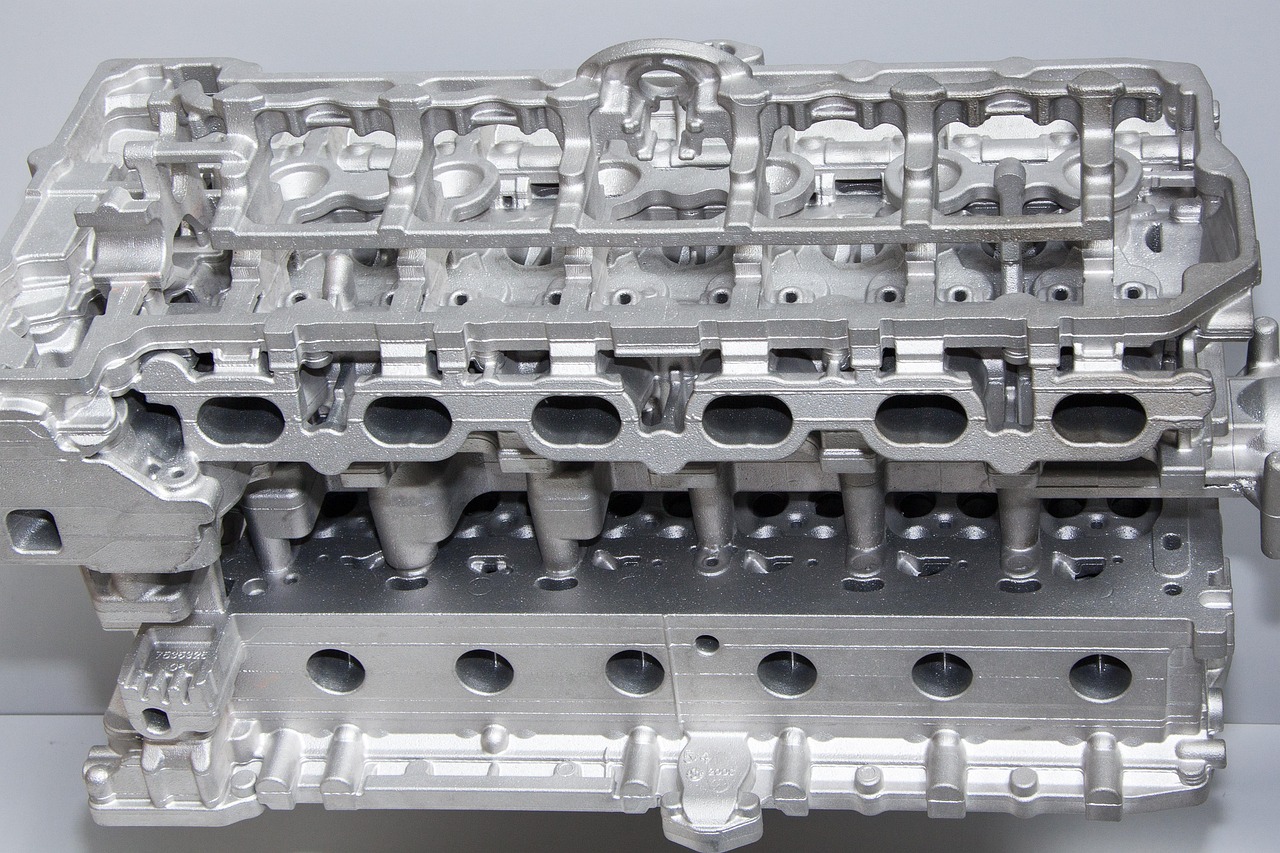
Six Sigma has emerged as a powerful methodology for enhancing automotive manufacturing efficiency, offering a structured approach to identify and eliminate defects, reduce waste, and optimize processes. For auto industry professionals, achieving Six Sigma Green Belt certification in automotive manufacturing equips them with the tools to drive significant improvements across the entire value chain.
Implementing Six Sigma techniques in car production lines involves a systematic process, beginning with defining and measuring key performance indicators (KPIs), identifying root causes of problems using data analytics, and implementing targeted solutions. By analyzing trends with data visualization tools, manufacturers can uncover hidden inefficiencies and make data-driven decisions. For instance, visualizing production data can reveal bottlenecks in assembly lines, enabling engineers to optimize workflow and improve cycle times.
One of the key benefits of Six Sigma in automotive manufacturing is its ability to lower defect rates in components. Using Six Sigma tools, manufacturers can pinpoint sources of variability and implement controlled processes to ensure consistent quality. For example, analyzing data from the paint shop can identify environmental factors affecting paint thickness, leading to more uniform and defect-free finishes. Additionally, Six Sigma promotes a culture of continuous improvement, encouraging workers to identify and report inefficiencies, fostering a more engaged and productive workforce.
To realize effectivity gains from Six Sigma implementation, auto manufacturers should consider partnering with expert consultants who specialize in the automotive sector. These professionals can guide every step of the journey, from training and certification to project execution and data analysis. By leveraging Six Sigma methodologies and staying current with the latest data analytics tools, automotive plants can achieve remarkable efficiency, enhance customer satisfaction, and drive sustainable growth. Visit us at [NAP/brand] to explore how these strategies can transform your manufacturing processes.
Six Sigma in Automotive Manufacturing has proven to be a powerful tool for reducing costs, improving efficiency, and enhancing overall quality control. By implementing Six Sigma strategies, auto manufacturers can streamline their production lines, optimize supply chains, and significantly lower defect rates in components. The article has highlighted various practical applications, from training workers and fixing inefficiencies in specific departments to revolutionizing entire manufacturing processes. Key takeaways include the importance of data analysis, the reduction of variability, and the enhancement of employee engagement, all of which contribute to a more sustainable and profitable automotive manufacturing industry. Moving forward, adopting Six Sigma methodologies can enable auto industry professionals to navigate the competitive landscape, meet customer demands, and drive continuous improvement in their organizations.
Six Sigma in Automotive Manufacturing: A structured, data-driven methodology to reduce costs, optimize processes, and enhance quality by eliminating defects and variability. Key benefits include improved lead times, lowered inventory costs, enhanced customer satisfaction, and a culture of continuous improvement. Training, software, and expert consultants play crucial roles in successful implementation, offering substantial cost reductions, boosted productivity, and competitive edge.